|
Professor Kim Sangheon’s Team Proves That COVID-19 Can Increase New-Onset Asthma
|
- Previous research re-proven through National Health Insurance Service big data analysis- Also found that COVID-19 vaccines can lower the probability of new-onset asthma- Professor Kim Sangheon’s team published in the September issue of the prestigious international journal “The Journal of Allergy and Clinical Immunology in Practice”
Previous research showing that persistent respiratory symptoms after COVID-19 can increase new-onset asthma has been proven once again using National Health Insurance Service big data. The study also found that COVID-19 vaccination may prevent asthma that could newly develop.
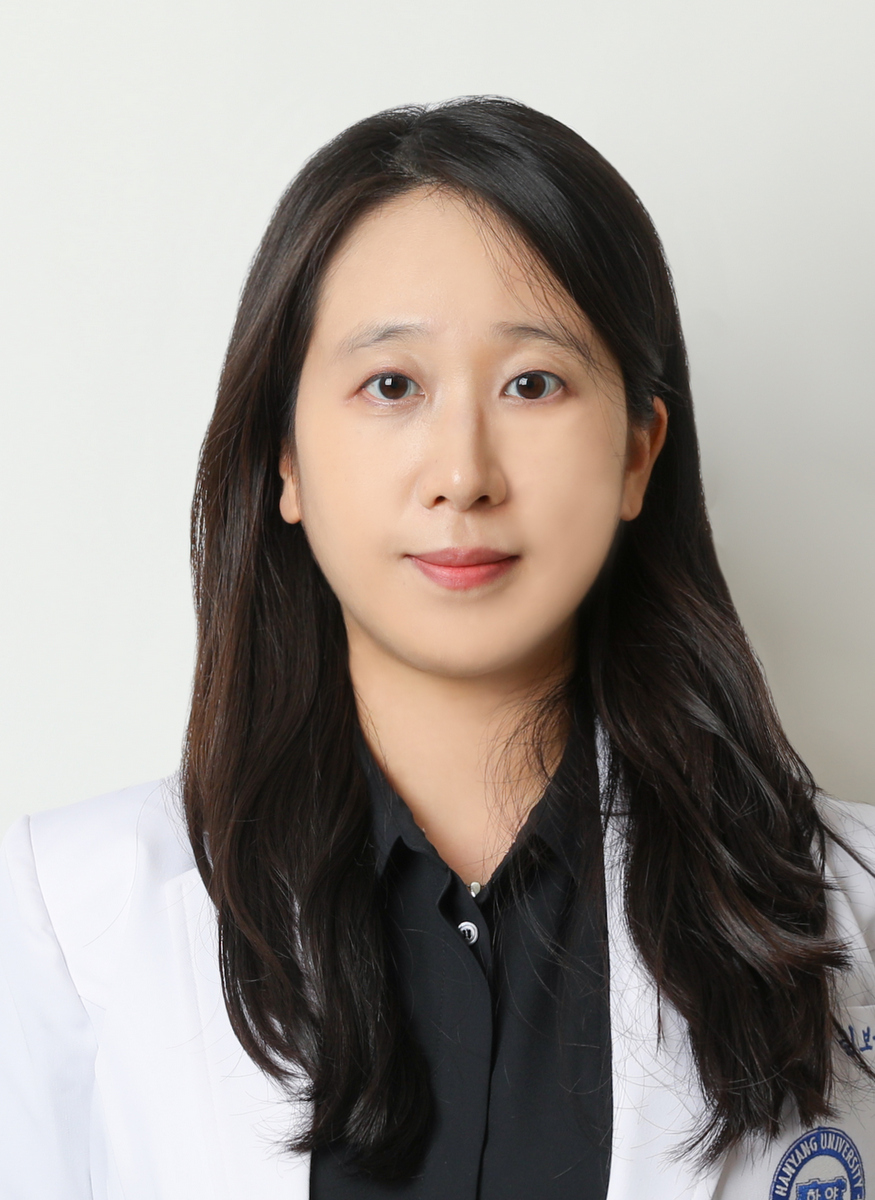
The research team of Professors Kim Sangheon, Lee Hyun and Kim Bogeun of the Department of Pulmonology & Allergy at Hanyang University Hospital reported these findings in a paper titled ‘Increased Risk of New-onset Asthma after COVID-19 Infection: A Nationwide Population-based Cohort Study,’ published in the September online edition of the prestigious international journal “The Journal of Allergy and Clinical Immunology in Practice (impact factor 9.4).”
After recovery, COVID-19 shows asthma-like respiratory symptoms such as coughing, wheezing and shortness of breath as long-term sequelae. However, there had been no research on whether persistent respiratory symptoms after COVID-19 infection are associated with new-onset asthma. In this regard, Professor Kim’s team had previously revealed, in a paper titled ‘New-onset asthma following COVID-19 in adults) from an earlier study of 394 people complaining of respiratory symptoms after recovering from COVID-19 infection at Hanyang University Hospital, that the probability of newly developing asthma can increase after COVID-19. In addition, this paper strengthened the evidence for new-onset adult asthma after COVID-19 infection through a nationwide population-based cohort study.
In this paper, Professor Kim’s team studied whether COVID-19 can increase new-onset asthma and whether COVID-19 vaccines reduce the incidence of new-onset asthma. Through 1:1 matching using National Health Insurance Service big data, they selected 44,023 cases diagnosed with COVID-19 and controls (Study 1), 139,740 cases fully vaccinated against COVID-19 (two or more doses) and controls (Study 2), and 127,924 vaccinated cases excluding those diagnosed with COVID-19 and controls (Study 3), and compared and analyzed the risk of new-onset asthma for each.
The results confirmed that in the group of cases diagnosed with COVID-19, patients newly diagnosed with asthma were more than twice as common (about 2.1 times) as in the control group; in the group of cases vaccinated against COVID-19, patients newly diagnosed with asthma were significantly fewer than in the control group (about 0.8 times); and between the group of vaccinated cases excluding those diagnosed with COVID-19 and the control group, there was no significant association with an increase or decrease in new-onset asthma.
Regarding the study, Professor Kim Sangheon said, “In a previous study, we confirmed that if asthma-like respiratory symptoms continue for four weeks or more even after recovering from COVID-19, the risk of new-onset asthma may be high, so an examination by a specialist is needed to differentiate it,” adding, “In this study, we reconfirmed the possibility of new-onset asthma due to COVID-19 identified in the previous study through a nationwide population-based cohort, and also established that cases fully vaccinated against COVID-19 have a significantly lower possibility of new-onset asthma than unvaccinated cases.” (End) |
News
Hanyang University International Hospital