

|
Professor Tae Kyung Presents Global Standard for Remote-Access Thyroid Cancer Surgery
|
- Published in the online edition of the international journal “Thyroid”
In thyroid and parathyroid surgery, the conventional neck incision approach had disadvantages in terms of patients’ scarring, cosmetic satisfaction and postoperative function. Accordingly, various remote-access surgical techniques were developed, such as the armpit (gasless transaxillary), bilateral axillo-breast, behind-the-ear (retroauricular) and mouth (trans-oral) approaches, but the clinical evidence, surgical indication criteria, education and training systems, and experience and proficiency requirements for each approach were inconsistent worldwide, limiting their actual spread in clinical practice.
The paper involved experts from six international societies, including the Asia‑Pacific Society of Thyroid Surgery, American Head and Neck Society, American Association of Endocrine Surgeons, American Thyroid Association, European Society of Endocrine Surgeons and Latin American Thyroid Society, and derived 23 consensus recommendations through the modified Delphi technique. The paper was published in the online edition of the October 2025 issue of the international journal “Thyroid.”
Major recommendations include setting minimum requirements for operating surgeons, establishing structured training programs including cadaver dissection practice and proctoring, and clarifying patient indication criteria (e.g., tumor size, location and stage), and the paper presented the advantages, disadvantages and selection guidelines for each of the four most commonly used remote-access approaches (mouth, armpit, bilateral axillo-breast and behind-the-ear).
Professor Tae Kyung emphasized, “In experienced teams, remote-access approaches have equivalent oncological and surgical outcomes, such as tumor removal, compared with the conventional neck incision approach, and have the advantage of high cosmetic satisfaction,” adding, “However, as the operation time is longer and there is a risk of certain complications, sufficient experience and explanation to patients are essential.”
He also said, “The key to remote-access surgery is satisfying both the patient’s cosmetic satisfaction and functional recovery at the same time,” adding, “Based on this consensus statement, I hope to lay the foundation for medical institutions at home and abroad to approach it safely under the same standards.”
Professor Tae Kyung is a world-renowned authority in the field of thyroid cancer and head and neck cancer and has gained an international reputation especially as a robotic surgery expert. He currently serves as President of the Asia-Pacific Society of Thyroid Surgery and led the publication of this consensus statement as co-first author and corresponding author representing Asia. He has also been applying these remote-access thyroid surgery techniques in actual clinical practice at the Department of Otolaryngology of Hanyang University Hospital and promoting their spread and expanded education in Korea.
This paper is significant in that it established a global standard in the field of remote-access thyroid and parathyroid surgery. (End) |
News
Hanyang University International Hospital
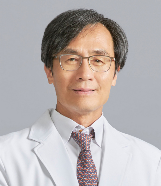 Professor Tae Kyung of the Department of Otolaryngology at Hanyang University Hospital played a leading role in establishing a global standard in the field of remote-access thyroid and parathyroid surgery as co-corresponding author and first author of the recently published paper “Remote-Access Thyroidectomy and Parathyroidectomy: 2025 Consensus Statement’.