|
‘Diabetic Nephropathy’ Is the No. 1 Cause of Dialysis… Regular Checkups Essential
|
|
- Diabetes is the cause in 5 out of 10 patients with end-stage renal disease in Korea - SGLT2 inhibitors and other kidney-protective drugs and individualized blood glucose·blood pressure control are important
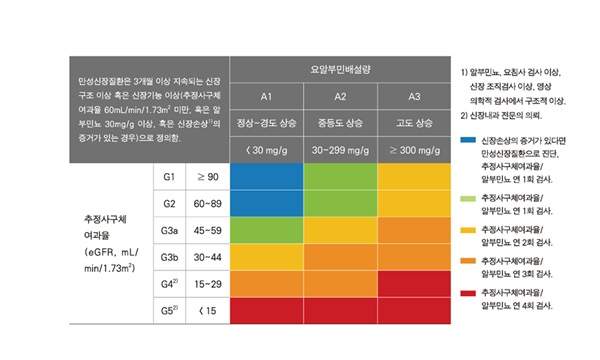
As the prevalence of diabetes in Korea steadily increases, the number of patients with ‘diabetic nephropathy,’ a representative complication, also continues to rise, highlighting the importance of early diagnosis and active treatment. Diabetic nephropathy is known to progress through stages of renal hypertrophy and glomerular hyperfiltration to decreased glomerular filtration rate, severe proteinuria and end-stage renal disease. Particularly noteworthy are the underlying causes of end-stage renal disease. In the past, chronic glomerulonephritis was the main cause, but recently about 40–50% of all patients with end-stage renal disease have been reported to be related to diabetic nephropathy. This is a higher proportion than hypertensive nephropathy, indicating the need to manage kidney complications in patients with diabetes. According to the Korean Diabetes Association’s 'Diabetes Fact Sheet 2023' and data from the Korean Society of Nephrology, the number of diabetes patients in Korea has exceeded 6 million, and 3 out of 10 adults aged 65 or older have diabetes. Diabetic nephropathy is called the 'silent killer' because it has few early symptoms. In many cases there are no noticeable symptoms until more than 50% of kidney function is damaged, so regular testing is more important than anything else. - The key to diagnosis is ‘albuminuria’ and ‘glomerular filtration rate’ Diabetic[Figure] Diabetic nephropathy is diagnosed when persistent albuminuria or a decrease in estimated glomerular filtration rate is confirmed after kidney damage from other causes has been ruled out, and Kidney Disease: Improving Global Outcomes (KDIGO) suggests combining these two indicators to classify the stages of chronic kidney disease. The diagnosis of nephropathy is based on albuminuria and estimated glomerular filtration rate (eGFR). Albuminuria is assessed by measuring the albumin-to-creatinine ratio (UACR) in a random spot urine sample, and a value of 30 mg/g or higher is defined as abnormal. However, because of its high variability, persistent albuminuria is diagnosed only when an increase is confirmed in at least two of three tests within six months. In type 1 diabetes, persistent albuminuria is regarded as a characteristic finding of early nephropathy. In type 2 diabetes, on the other hand, the clinical course can be more varied, and in some cases kidney function declines even with normoalbuminuria, or a decrease in glomerular filtration rate appears first. It has also been reported that in some patients with a UACR in the range of 30–299 mg/g, albuminuria disappears or does not progress to severe proteinuria (UACR ≥300 mg/g) for several years. Nevertheless, patients with confirmed persistent albuminuria are at high risk of progressing to end-stage kidney disease and require careful monitoring. Albuminuria results can temporarily increase due to the effects of inflammation, fever, strenuous exercise, heart failure and severe hyperglycemia or hypertension, so care is needed in interpretation. eGFR is calculated using a serum creatinine-based equation, and currently the CKD-EPI equation recommended by the Kidney Disease: Improving Global Outcomes (KDIGO) guidelines is mainly used. Generally, an eGFR below 60 mL/min/1.73㎡ is considered reduced kidney function. Recently, as studies have reported that using cystatin C, which is less affected by muscle mass, or equations combining creatinine and cystatin C show higher accuracy, their use is expanding. KDIGO recommends classifying the stages of chronic kidney disease by considering albuminuria and eGFR together. - The key to treatment is ‘blood glucose and blood pressure management’ and kidney-protective drugs The most evidence-based first-line intervention in the treatment of diabetic nephropathy is thorough control of blood glucose and blood pressure. Blood glucose control generally targets a glycated hemoglobin (HbA1c) of 6.5% or less, but an individualized strategy that takes into account the risk of hypoglycemia and comorbidities is needed. Hypertension is a strong risk factor for the development and progression of chronic kidney disease, and antihypertensive treatment including ACE inhibitors or ARBs lowers the risk of developing albuminuria and delays progression to end-stage renal disease. For most patients with diabetes, a target blood pressure of less than 130/80 mmHg is recommended, and stricter control may be needed in high-risk groups. Recently, SGLT2 inhibitors and GLP-1 receptor agonists, which have demonstrated both kidney-protective effects and reduced risk of cardiovascular disease, have become established as drugs to be considered first in patients with diabetic kidney disease. On the other hand, some oral hypoglycemic agents require dose adjustment when kidney function declines, so consultation with a specialist is essential. Excessively increasing or excessively restricting protein intake (0.8 g/kg per day or less) is not recommended, and a balanced diet is important. - Regular testing and medication management are key to protecting the kidneys It is recommended that UACR and eGFR tests be performed at least once a year, and if abnormal findings are present, follow-up at shorter intervals is needed. In addition, potentially nephrotoxic drugs such as nonsteroidal anti-inflammatory drugs (NSAIDs) and contrast agents should be used with caution, and indiscriminate use of unverified health functional foods should be avoided. Professor Moon Shinjae of the Department of Endocrinology & Metabolism at Hanyang University Hospital emphasized, “If diabetic nephropathy is detected early and actively managed, progression to end-stage renal disease can be sufficiently delayed,” adding, “Regular testing and systematic management of blood glucose and blood pressure are the surest way to protect the kidneys.” Meanwhile, Hanyang University Hospital operates a multidisciplinary integrated management system for patients with diabetic nephropathy and strives to prevent complications through early diagnosis and customized treatment. (End)
[Figure] Diabetic nephropathy is diagnosed when persistent albuminuria or a decrease in estimated glomerular filtration rate is confirmed after kidney damage from other causes has been ruled out, and Kidney Disease: Improving Global Outcomes (KDIGO) suggests combining these two indicators to classify the stages of chronic kidney disease. |
News
Hanyang University International Hospital