|
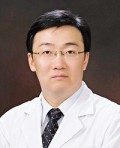
Professor Choi Dongho of General Surgery Begins Building Artificial Liver Using Stem Cells, Selected for Woo Jang-choon Project
|
|
As a result, the ‘Woo Jang-choon Project’ will receive about 5 billion won in support from the Rural Development Administration over the next five years. The ‘Woo Jang-choon Project’ is a program launched by the Rural Development Administration in 2012 to support the training of world-class scientists and the development of practical original technologies that can create new momentum for agriculture and rural development. Professor Choi Dongho’s project at Hanyang University Hospital is titled ‘Development of Functional Human Biomimetic Artificial Organs Using Porcine Solid Organs,’ and it will make an artificial liver using stem cells, which have recently drawn attention. Professor Choi Dongho’s team at Hanyang University Hospital and Professor Kang Kyungsun’s team at Seoul National University Hospital will take part in the research, and Professor Choi Dongho, in cooperation with researchers from Samsung Medical Center and Korea University, will be in charge of the second sub-project, mainly conducting research on differentiating hepatocytes from various stem cells to prepare the cells to be actually transplanted into porcine solid organs. Professor Choi Dongho said, “This project is research that is not easy to realize and takes a long time, but even advanced countries are still at an early stage of research.” He added, “It is a meaningful research project that can give hope to patients suffering from liver disease, and it will be a very important project that can become the cornerstone of liver disease treatment using stem cells.” |
News
Hanyang University International Hospital