

Total posts : 1394
-

Professor Ahn Myungjoo, World-Renowned Authority on Lung and Head and Neck Cancer, Begins Seeing Patients
Professor Ahn Myungjoo, known as a world-renowned authority in the treatment of lung cancer and head and neck cancer, began seeing patients as a professor of the Department of Hematology Oncology at Hanyang University Hospital in March. Her main clinical and research areas are lung cancer, head and neck cancer, immuno-oncology therapy, targeted therapy-based cancer treatment, new drug clinical trials and translational research. Professor Ahn is a medical oncologist who has led lung cancer treatment research at home and abroad, contributing to improved cancer treatment outcomes by leading new drug clinical trials centered on targeted therapies and immunotherapies. In particular, she has built unrivaled achievements in developing biomarkers that predict the effectiveness of lung cancer treatment and in translational research applying them in clinical practice. In addition, she published the results of immunotherapy research on patients with small cell lung cancer, which progresses quickly and is difficult to treat, in the world’s most prestigious medical journal, “The New England Journal of Medicine (NEJM),” and has participated in various clinical studies on the treatment of non-small cell lung cancer patients with EGFR mutations, presenting new standards for lung cancer treatment. In recognition of her contributions to cancer treatment research and clinical advancement, she has been named every year from 2023 to the present on the list of the ‘world’s most influential researchers (Highly Cited Researcher, HCR),’ and has received the Asan Medical Award, a prestigious award in clinical medicine, gaining recognition for her academic achievements at home and abroad. Professor Ahn graduated from Hanyang University College of Medicine and received her master’s and doctoral degrees from the same graduate school, and served as a professor of the Department of Hematology Oncology at Samsung Medical Center, where she was head of the lung cancer division, among other roles. She also served as President of the Korean Association for Clinical Oncology and Chairman of the Korean Association for Lung Cancer, and is at the forefront of global academic exchange, including serving as an editorial board member of the Journal of Thoracic Oncology, the official journal of the International Association for the Study of Lung Cancer (IASLC). In particular, she is chairing the organizing committee of the World Conference on Lung Cancer, to be held in Korea this year, playing an important role in global lung cancer research cooperation. With the recruitment of Professor Ahn Myungjoo, Hanyang University Hospital has secured an even stronger care infrastructure in the treatment of intractable cancers, including lung cancer and head and neck cancer. In particular, highly complex new drug clinical research and multidisciplinary care based on precision medicine are expected to become more active (End).
2026-03-12
-
‘Diabetic Nephropathy’ Is the No. 1 Cause of Dialysis… Regular Checkups Essential
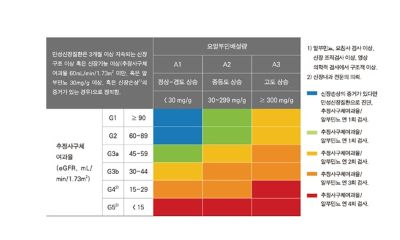
- Diabetes is the cause in 5 out of 10 patients with end-stage renal disease in Korea - SGLT2 inhibitors and other kidney-protective drugs and individualized blood glucose·blood pressure control are important As the prevalence of diabetes in Korea steadily increases, the number of patients with ‘diabetic nephropathy,’ a representative complication, also continues to rise, highlighting the importance of early diagnosis and active treatment. Diabetic nephropathy is known to progress through stages of renal hypertrophy and glomerular hyperfiltration to decreased glomerular filtration rate, severe proteinuria and end-stage renal disease. Particularly noteworthy are the underlying causes of end-stage renal disease. In the past, chronic glomerulonephritis was the main cause, but recently about 40–50% of all patients with end-stage renal disease have been reported to be related to diabetic nephropathy. This is a higher proportion than hypertensive nephropathy, indicating the need to manage kidney complications in patients with diabetes. According to the Korean Diabetes Association’s 'Diabetes Fact Sheet 2023' and data from the Korean Society of Nephrology, the number of diabetes patients in Korea has exceeded 6 million, and 3 out of 10 adults aged 65 or older have diabetes. Diabetic nephropathy is called the 'silent killer' because it has few early symptoms. In many cases there are no noticeable symptoms until more than 50% of kidney function is damaged, so regular testing is more important than anything else. - The key to diagnosis is ‘albuminuria’ and ‘glomerular filtration rate’ Diabetic[Figure] Diabetic nephropathy is diagnosed when persistent albuminuria or a decrease in estimated glomerular filtration rate is confirmed after kidney damage from other causes has been ruled out, and Kidney Disease: Improving Global Outcomes (KDIGO) suggests combining these two indicators to classify the stages of chronic kidney disease. The diagnosis of nephropathy is based on albuminuria and estimated glomerular filtration rate (eGFR). Albuminuria is assessed by measuring the albumin-to-creatinine ratio (UACR) in a random spot urine sample, and a value of 30 mg/g or higher is defined as abnormal. However, because of its high variability, persistent albuminuria is diagnosed only when an increase is confirmed in at least two of three tests within six months. In type 1 diabetes, persistent albuminuria is regarded as a characteristic finding of early nephropathy. In type 2 diabetes, on the other hand, the clinical course can be more varied, and in some cases kidney function declines even with normoalbuminuria, or a decrease in glomerular filtration rate appears first. It has also been reported that in some patients with a UACR in the range of 30–299 mg/g, albuminuria disappears or does not progress to severe proteinuria (UACR ≥300 mg/g) for several years. Nevertheless, patients with confirmed persistent albuminuria are at high risk of progressing to end-stage kidney disease and require careful monitoring. Albuminuria results can temporarily increase due to the effects of inflammation, fever, strenuous exercise, heart failure and severe hyperglycemia or hypertension, so care is needed in interpretation. eGFR is calculated using a serum creatinine-based equation, and currently the CKD-EPI equation recommended by the Kidney Disease: Improving Global Outcomes (KDIGO) guidelines is mainly used. Generally, an eGFR below 60 mL/min/1.73㎡ is considered reduced kidney function. Recently, as studies have reported that using cystatin C, which is less affected by muscle mass, or equations combining creatinine and cystatin C show higher accuracy, their use is expanding. KDIGO recommends classifying the stages of chronic kidney disease by considering albuminuria and eGFR together. - The key to treatment is ‘blood glucose and blood pressure management’ and kidney-protective drugs The most evidence-based first-line intervention in the treatment of diabetic nephropathy is thorough control of blood glucose and blood pressure. Blood glucose control generally targets a glycated hemoglobin (HbA1c) of 6.5% or less, but an individualized strategy that takes into account the risk of hypoglycemia and comorbidities is needed. Hypertension is a strong risk factor for the development and progression of chronic kidney disease, and antihypertensive treatment including ACE inhibitors or ARBs lowers the risk of developing albuminuria and delays progression to end-stage renal disease. For most patients with diabetes, a target blood pressure of less than 130/80 mmHg is recommended, and stricter control may be needed in high-risk groups. Recently, SGLT2 inhibitors and GLP-1 receptor agonists, which have demonstrated both kidney-protective effects and reduced risk of cardiovascular disease, have become established as drugs to be considered first in patients with diabetic kidney disease. On the other hand, some oral hypoglycemic agents require dose adjustment when kidney function declines, so consultation with a specialist is essential. Excessively increasing or excessively restricting protein intake (0.8 g/kg per day or less) is not recommended, and a balanced diet is important. - Regular testing and medication management are key to protecting the kidneys It is recommended that UACR and eGFR tests be performed at least once a year, and if abnormal findings are present, follow-up at shorter intervals is needed. In addition, potentially nephrotoxic drugs such as nonsteroidal anti-inflammatory drugs (NSAIDs) and contrast agents should be used with caution, and indiscriminate use of unverified health functional foods should be avoided. Professor Moon Shinjae of the Department of Endocrinology Metabolism at Hanyang University Hospital emphasized, “If diabetic nephropathy is detected early and actively managed, progression to end-stage renal disease can be sufficiently delayed,” adding, “Regular testing and systematic management of blood glucose and blood pressure are the surest way to protect the kidneys.” Meanwhile, Hanyang University Hospital operates a multidisciplinary integrated management system for patients with diabetic nephropathy and strives to prevent complications through early diagnosis and customized treatment. (End) [Figure] Diabetic nephropathy is diagnosed when persistent albuminuria or a decrease in estimated glomerular filtration rate is confirmed after kidney damage from other causes has been ruled out, and Kidney Disease: Improving Global Outcomes (KDIGO) suggests combining these two indicators to classify the stages of chronic kidney disease.
2026-03-11
-
Lung Cancer Multidisciplinary Care Surpasses 1,000 Cases
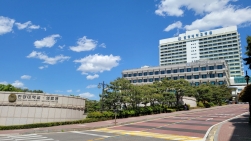
- From 2025, integrated management from treatment to industrial accident compensation through linkage with the Department of Occupational Environmental Medicine Hanyang University Hospital (President Lee Hyeongjoong) recently surpassed 1,000 cases of multidisciplinary lung cancer care, strengthening its expertise in lung cancer treatment with a multidisciplinary care system that establishes treatment strategies at the same time as diagnosis. Lung cancer progresses quickly and has diverse genetic mutations, so establishing an initial treatment strategy has an important impact on the patient’s prognosis. In consideration of these characteristics, Hanyang University Hospital operates a multidisciplinary lung cancer care system involving specialists from various divisions, including Pulmonology Allergy, Hematology Oncology, Thoracic Cardiovascular Surgery, Radiation Oncology, Radiology and Pathology. Specialists in each field have discussed the patient’s condition together from the early stage of diagnosis and comprehensively managed the optimal treatment strategy, including surgery, chemotherapy and radiation therapy. In particular, from 2025, the lung cancer patient management system was further strengthened as the Occupational Disease Safety Center officially joined the multidisciplinary care. Specialists in occupational and environmental medicine evaluate patients’ occupational histories and histories of exposure to hazardous substances to analyze the relationship between occupational factors and the disease, and, when necessary, provide professional counseling and support for suspected occupational disease cases in connection with the Occupational Disease Safety Center. In addition, through the multidisciplinary care system, the hospital operates an integrated care system that extends beyond patient diagnosis and treatment to the evaluation of occupational factors and support for industrial accident compensation. Lee Kyeonggeun, Director of the Cancer Center (Professor of the Department of General Surgery), said, “Lung cancer treatment does not end with simply removing the tumor; management that considers the patient’s entire life is important,” adding, “Through multidisciplinary care and linkage with the Department of Occupational Environmental Medicine, we will continue to develop an integrated care system that extends from diagnosis to treatment and return to society.” The Lung Cancer Center of Hanyang University Hospital plans to continue upgrading its multidisciplinary care system and further develop patient-tailored treatment models based on precision medicine. (End)
2026-03-10
-
Time-Restricted Eating Shown to Improve Fatty Liver
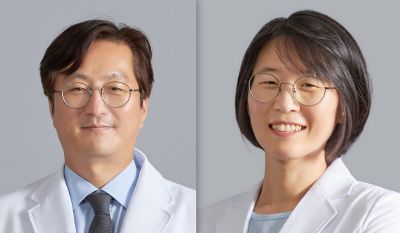
“Can Simply Controlling When You Eat Revive Your Liver?” One of the words most often encountered in health checkup results is ‘fatty liver.’ In the past, excessive drinking was the cause, but now, due to Westernized eating habits and reduced physical activity, the number of patients with ‘metabolic dysfunction-associated steatotic liver disease (MASLD, Metabolic dysfunction-associated steatotic liver disease),’ which accompanies obesity, diabetes and metabolic syndrome, is rising rapidly. According to 2025 statistics from the Korea Disease Control and Prevention Agency (KDCA), the prevalence of MASLD among Korean adults reaches the mid-30% range, and it is particularly higher in men. Fatty liver has no particular symptoms at first, but if left unmanaged it can progress to hepatitis, liver fibrosis, cirrhosis and, in severe cases, even liver cancer, so early management is essential. However, hopeful research results have recently been published for fatty liver patients. In a paper published in the world-renowned journal “Journal of Hepatology,” the team of Professors Jun Daewon and Yoon Ailin of the Department of Gastroenterology at Hanyang University Hospital proved that even without strictly restricting the menu, simply controlling the ‘time’ of eating significantly improves liver health. Focus on ‘when’ rather than ‘what’ ‘Time-Restricted Eating (TRE) is a method that limits food intake to within 8–10 hours of the 24-hour day and maintains fasting for the remaining 14–16 hours. It is commonly known as a form of intermittent fasting, but the key is not simply ‘starving’ but metabolic regulation aligned with the body's biological rhythm. Our bodies have a ‘biological rhythm (circadian rhythm)’ in which metabolic functions change according to day and night. Eating late at night can disrupt the rhythm of insulin secretion and promote fat accumulation. Conversely, eating regularly within a set time can improve metabolic efficiency and help reduce fat accumulated in the liver. The research team applied time-restricted eating for about 12 weeks to 333 MASLD patients to evaluate its efficacy and safety. As a result, the following significant improvements were confirmed compared with the regular diet group. - Relative reduction in liver fat content of 20–30% on average - Average weight loss of 3–4% - Significant reduction in liver enzyme levels such as AST and ALT - Improvement in fasting insulin and the insulin resistance index (HOMA-IR) - Reduction in triglyceride levels Professor Jun Daewon emphasized, “Time-restricted eating is not simply a weight-loss strategy but can have a fundamental metabolic correction effect through improved insulin sensitivity,” adding, “Patients with obesity, diabetes and hypertension have a high risk of progressing liver fibrosis, so it is important to check their condition through regular blood tests and liver ultrasound.” However, the same method does not apply to all patients. People with diabetes (especially those on insulin treatment), the elderly, pregnant women and those who are underweight are at risk of hypoglycemia or nutritional imbalance due to long fasting, so they must establish an individualized strategy through consultation with a specialist. Fatty liver is a warning signal sent by our body. Starting today, we hope you will protect your precious liver health with the small change of controlling your 'mealtimes.' Three practical principles for regaining liver health For successful time-restricted eating, remember the following three principles. Follow the ‘8:16’ rule: Keep daily eating time within 8–10 hours. (e.g., 10 a.m. – 6 p.m.) No late-night snacks or drinking: Eating late at night is the main culprit in disrupting the liver's metabolic rhythm. Exercise consistently: Combining aerobic and strength exercise 3–5 times a week doubles the fat-burning effect. Paper title: Efficacy and safety of time-restricted eating in patients with metabolic dysfunction-associated steatotic liver disease (Efficacy and safety of time-restricted eating in MASLD)
2026-02-24
-
Hanyang University Hospital Ambassador Chef Lee Yeon-bok Undergoes Health Checkup at International Hospital Today (24th)
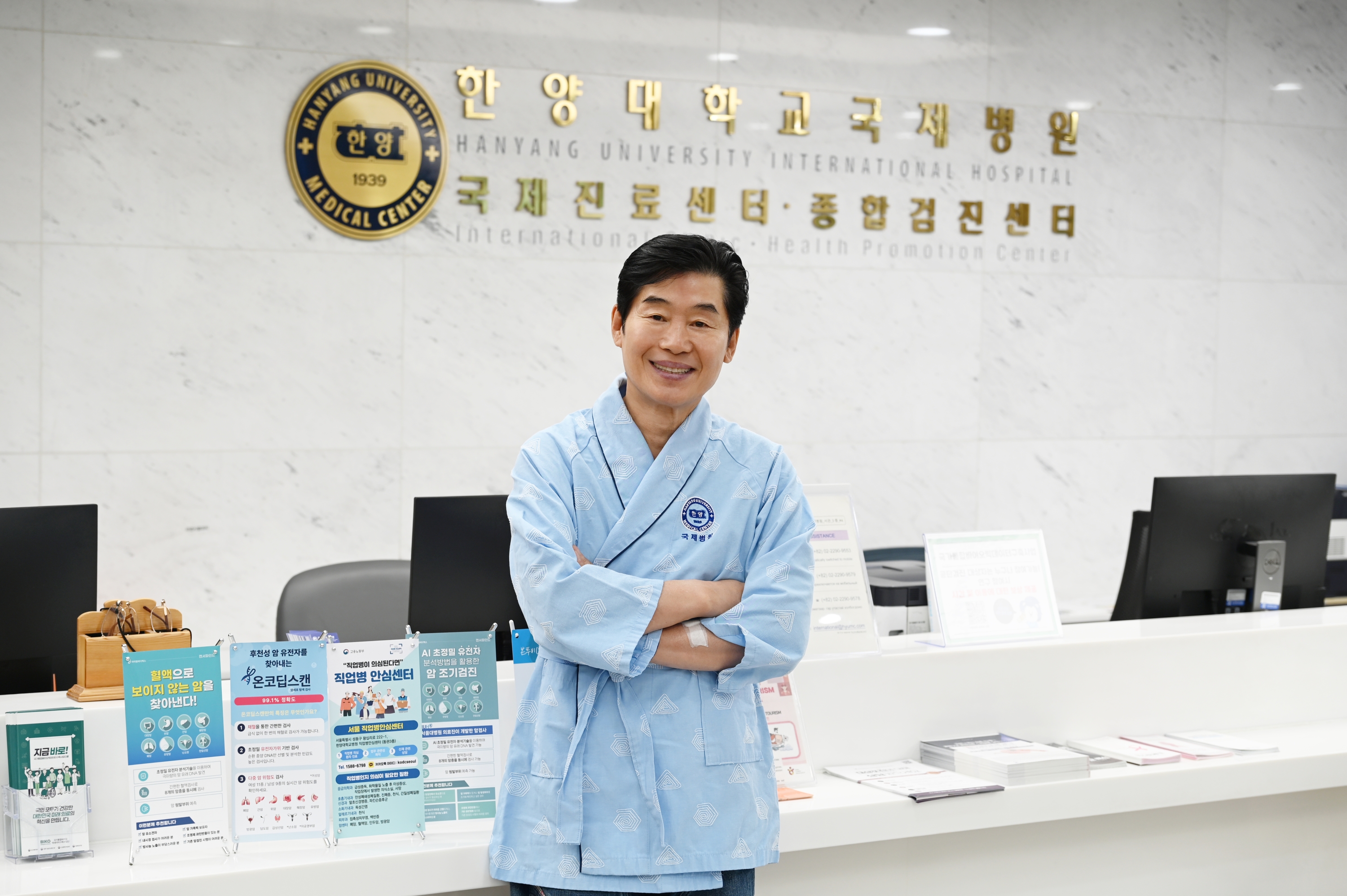
Hanyang University Hospital (President Lee Hyeongjoong) announced that today (24th), Chef Lee Yeon-bok, who serves as the hospital’s public relations ambassador, visited the hospital’s International Hospital (President Lim Younghyo) for a regular health checkup. The visit was arranged so that Chef Lee Yeon-bok, who has long led the way in healthy eating for the public, could check his own health despite his busy schedule and raise awareness of the importance of regular checkups. On this day, Chef Lee Yeon-bok underwent detailed examinations through the systematic, personalized checkup program of Hanyang University International Hospital. Greeting the medical staff cheerfully throughout the checkup, Chef Lee expressed his deep affection for and trust in the hospital as its ambassador. After the checkup, Chef Lee Yeon-bok shared his thoughts, saying, "Thanks to the trustworthy medical staff and state-of-the-art facilities of Hanyang University Hospital, I was able to receive a comfortable and thorough checkup," and "I hope many people will take the opportunity to protect their precious health through regular health checkups." A Hanyang University Hospital official said, "It was a meaningful time to be able to personally take care of the health of Chef Lee Yeon-bok, who always works hard both materially and emotionally to promote the hospital," adding, "We will continue to wholeheartedly support the chef so that he can continue his active work in the best condition." Meanwhile, as Hanyang University Hospital’s ambassador, Chef Lee Yeon-bok is spreading a positive influence by actively participating in various activities that enhance the hospital’s brand value and communicate with the public. (End)
2026-02-24
-
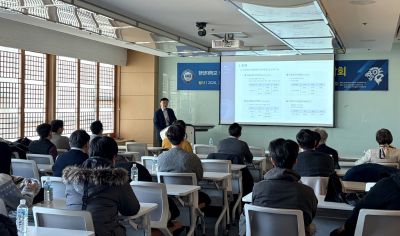
Medical Science Research Institute Holds Faculty Meeting to Strengthen Basic-Clinical Linkage
- Discussion on building a research-centered medical system and activating convergence research The Medical Science Research Institute of Hanyang University Medical Center (Director Choi Dongho) held the ‘Meeting of Faculty of Basic Medicine at Hanyang University College of Medicine and the Graduate School of Biomedical Science and Engineering’ in the conference room of the Hanyang Institute of Technology (HIT) on February 9 to build a research-centered medical system and strengthen organic cooperation between basic and clinical fields. About 20 basic medicine faculty members of Hanyang University College of Medicine and full-time faculty of the Graduate School of Biomedical Science and Engineering attended the meeting, shared the visions of the research institutes of each hospital under the Medical Center, and discussed future research directions. Choi Dongho, Director of the Medical Science Research Institute, emphasized, “The independent separation of the Medical Center’s Industry-Academic Cooperation Foundation is an essential process for research-driven hospital certification and strengthening the competitiveness of Hanyang University’s medical research,” adding, “To carry this out successfully, close cooperation among all members of the College of Medicine is most important.” Kim Hyunyoung, Director of the Medical Research Institute of Hanyang University Hospital, then mentioned the importance of basic-clinical cooperation, saying, “Convergence research between the College of Medicine and the Graduate School of Biomedical Science and Engineering is the key to enhancing research capabilities.” Ko Sungho, Director of the Medical Research Institute of Hanyang University Guri Hospital, also said, “We will share Guri Hospital’s research strategies and expand collaborative research with basic science professors to systematically strengthen our research foundation.” The basic science faculty members who attended the meeting offered various opinions on the need for institutional and financial support and continuous communication for the leap to a research-driven hospital. One attending faculty member said, “Active investment by the institution and the firm commitment of its head are key elements in the transition to a research-driven hospital,” adding, “I hope this meeting will be the starting point for substantive discussions.” Based on the opinions discussed at the meeting, the Medical Science Research Institute of Hanyang University Medical Center plans to build a research infrastructure in which basic and clinical fields can grow together and continue its efforts to raise the Medical Center’s research competitiveness to a world-class level. (End)
2026-02-12
-
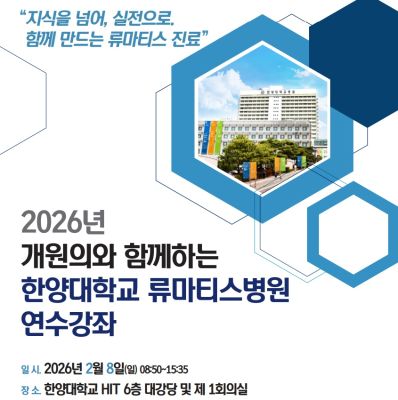
‘2026 Continuing Medical Education Course for Practitioners’ to Be Held
- Sharing practical rheumatology care strategies for practitioners Hanyang University Hospital for Rheumatic Diseases (President Sung Yoonkyoung) will hold the ‘2026 Hanyang University Hospital for Rheumatic Diseases Continuing Medical Education Course with Practitioners’ on February 8 (Sun.) in the 6th-floor Main Conference Room and Conference Room 1 of the Hanyang Institute of Technology (HIT), Hanyang University. The course was organized to provide practice-oriented education that can be applied immediately to the diagnosis and treatment of rheumatic diseases for medical staff in clinical settings, including practitioners. In particular, this year marks the meaningful 20th edition of the course, and the program brings together clinical experience and know-how accumulated over the past 20 years. In Session 1, “Beyond Knowledge, Into Practice: Rheumatology Care We Build Together,” Professor Kim Taehwan (Department of Rheumatology, Hanyang University Hospital for Rheumatic Diseases) and Professor Sung Ilhoon (Department of Bone Joint Surgery, Hanyang University Hospital) will chair, and Professor Soyoung Bang (Department of Rheumatology, Hanyang University Guri Hospital) will lecture on “Latest Treatment Strategies and Drug Selection for Rheumatoid Arthritis,” Professor Lee Changhoon (Department of Bone Joint Surgery, Hanyang University Hospital) on “Surgical Treatment of the Hand in Patients With Rheumatoid Arthritis,” and Professor Joo Youngbin (Department of Rheumatology, Hanyang University Guri Hospital) on “Behçet’s Disease: Clinical Practice Update.” In Session 2, “Latest Clinical Strategies for Evidence-Based Diagnosis and Treatment of Rheumatic Diseases,” Professor Bae Sangcheol (Department of Rheumatology, Hanyang University Hospital for Rheumatic Diseases) and Professor Park Sibog (Department of Joint Rehabilitation Medicine, Hanyang University Hospital for Rheumatic Diseases) will chair, and Professor Jun Jaebum (Department of Rheumatology, Hanyang University Hospital for Rheumatic Diseases) will lecture on “Latest Evidence and Practical Application in Gout Treatment,” Professor Choi Soojin ((Department of Joint Rehabilitation Medicine, Hanyang University Hospital for Rheumatic Diseases) on “Chronic Pain Management in Patients With Rheumatic Diseases,” and Professor Choi Saerim (Department of Rheumatology, Hanyang University Hospital for Rheumatic Diseases) on “Rheumatic Diseases to Suspect in Patients With Fever.” In Session 3, “Management of Comorbidities in Patients With Rheumatic Diseases,” held in the Main Auditorium, Professor Lee Hyesoon (Department of Rheumatology, Hanyang University Guri Hospital) and Professor Choi Chanbum (Department of Rheumatology, Hanyang University Hospital for Rheumatic Diseases) will chair, and Professor Kim Bongyoung (Department of Infectious Diseases, Hanyang University Hospital) will lecture on “Responding to Infections in Patients With Rheumatic Diseases,” Professor Park Jinseon (Department of Cardiology, Hanyang University Hospital) on “Cardiovascular Risk Management in Patients With Rheumatic Diseases,” Professor Uhm Jieun (Department of Hematology Oncology, Hanyang University Hospital) on “Points on Abnormal Findings in the Care of Patients With Rheumatic Diseases,” and Professor Moon Shinjae (Department of Endocrinology Metabolism, Hanyang University Hospital) on “Management of Endocrine Complications in Patients With Rheumatic Diseases.” At the same time, in “Practical Care for Practitioners,” held in Conference Room 1, Director Yoo Daehyun (Yoo Daehyun·Na Kyungsun Internal Medicine) and Professor Sung Yoonkyoung (Department of Rheumatology, Hanyang University Hospital for Rheumatic Diseases) will chair, and Director Lee Jekyung (Jeonju Hanyang Internal Medicine Clinic) will lecture on “Clinical Communication That Builds Patient Trust,” Director Lee Seungwon (Bundang Hanyang Internal Medicine Clinic) on “AI: Improving Care Efficiency With Digital Tools,” Director Na Kyungsun (Yoo Daehyun·Na Kyungsun Internal Medicine) on “Clinic–Hospital Collaboration Strategies,” and Cho Seungchul, General Affairs Director (Korean Association of Internal Medicine), on “Key Changes in 2026 Health Policy and How to Respond.” President Sung Yoonkyoung said, “We prepared this course focusing on practical content that practitioners can put to use immediately in their practice,” adding, “We hope it will be an opportunity to share concerns about managing patients with rheumatic diseases and to foster ongoing collaborative care.” The course will award 4 credits in each category of continuing education from the Korean Medical Association, rheumatology subspecialty and internal medicine specialty, and further details are available from Hanyang University Hospital for Rheumatic Diseases (T. 02-2290-9256).
2026-02-05
-
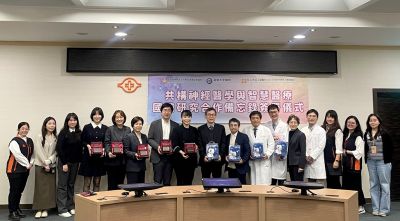
International Academic Cooperation MOU Signed with Major Taiwanese Hospitals
- Global research partnership in neuroscience and intelligent medicine gets fully underway Hanyang University Hospital (President Lee Hyeongjoong) recently signed an ‘international academic cooperation memorandum of understanding (MOU)’ with New Taipei Municipal Tucheng Hospital (built and operated under commission by the Chang Gung Medical Foundation) and Linkou Chang Gung Memorial Hospital, and set out to build a long-term international joint research cooperation system in the fields of neuroscience and intelligent medicine. Through this agreement, the three institutions plan to lay an institutionalized foundation for inter-hospital and international cooperation and to fully pursue international joint research spanning from basic research to clinical translational research, centered on advanced research fields such as ▲ neuroscience ▲ neurodegenerative diseases ▲ brain imaging analysis and ▲ artificial intelligence (AI)-assisted diagnosis research. The cooperation period of the MOU is five years, and the main areas of cooperation are threefold. The first is academic research cooperation, including multinational neurodegenerative disease research, development of neuroimaging and AI-based diagnostic technologies, and translational medicine and clinical trials. The second is building a research cooperation support system that promotes joint publications, training of research personnel and two-way exchanges. The third is creating a long-term, stable international research cooperation platform that promotes inter-hospital and international research integration and resource sharing. Chiu Cheng-Hsun, Vice President of Linkou Chang Gung Memorial Hospital, said, “Linkou Chang Gung Memorial Hospital has long focused on the fields of neuroscience, translational medicine and clinical trial research, and has a complete research infrastructure and multidisciplinary collaboration capabilities,” “Stable and in-depth international cooperation with Hanyang University Hospital will not only enhance the quality and academic impact of our research but also contribute to substantially improving the quality of patient care by rapidly applying innovative research results to clinical practice.” Lai Chi-Chun, President of New Taipei Municipal Tucheng Hospital, said, “This trilateral international research partnership will be an opportunity to effectively combine clinical experience, advanced brain imaging technology and artificial intelligence research capabilities,” adding, “Through the international training of research talent and two-way exchanges, we expect it to lay a long-term academic foundation for the early diagnosis and precision treatment of neurodegenerative diseases.” Hsu Jung-Lung, Director of Medical Research and Head of the Department of Neurology at Tucheng Hospital, explained, “This agreement is the starting point for integrated inter-hospital and international research cooperation centered on multinational neurodegenerative disease research and neuroimaging and AI-based research.” President Lee Hyeongjoong said, “Hanyang University and Hanyang University Hospital are Korea’s leading research-driven university and hospital, having accumulated a long research tradition and rich achievements in the fields of neuroscience, biomedical engineering, AI medicine, brain imaging analysis and neurodegenerative disease research,” adding, “We expect this cooperation to create strong synergy with the neurodegenerative disease research and intelligent imaging and AI medicine strategies that Hanyang University Hospital is focusing on.” Professor Kim Hee-Jin of the Department of Neurology at Hanyang University Hospital, who led the MOU, emphasized, “Through institutionalized international cooperation, we will continuously expand our global research scope and accelerate the clinical application of research results to realize patient-centered future medicine.” Through this agreement, the three institutions plan to deepen innovation in neuroscience research by combining each hospital’s clinical strengths with world-class research capabilities, and to provide more precise and future-oriented medical services to patients with neurological diseases through the clinical application of research results (End).
2026-02-04
-
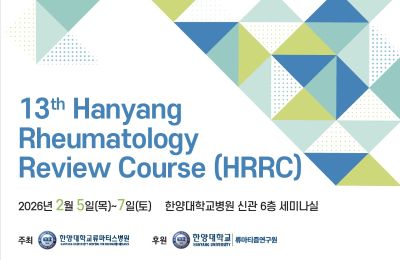
‘13th Hanyang Rheumatology Review Course’ to Be Held
Hanyang University Hospital for Rheumatic Diseases (President Sung Yoonkyoung) will hold the ‘13th Hanyang Rheumatology Review Course (HRRC)’ for specialists, nurses, researchers and residents from February 5 to 7 in the seminar room on the 6th floor of the New Building. The ‘Hanyang Rheumatology Review Course’ is a leading continuing education course in the field of rheumatology in Korea, offering a broad range of lectures from practical treatment strategies that can be applied directly in clinical practice to the latest research trends and multidisciplinary care approaches. In the ‘Practical Rheumatology’ course on February 5, Professor Kim Yongbum (Department of Rheumatology, Hanyang University Hospital for Rheumatic Diseases) will lecture on ‘Introduction to Rheumatology,’ Professor Choi Saerim (Department of Rheumatology, Hanyang University Hospital for Rheumatic Diseases) on ‘Physical examination and disease activity assessment for rheumatic diseases (DAS 28),’ Professor Nam Seungwan (Department of Rheumatology, Yonsei University Wonju College of Medicine) on ‘Biologic agents and JAK inhibitors,’ Professor Joo Youngbin (Department of Rheumatology, Hanyang University Guri Hospital) on ‘Glucocorticoid, csDMARDS, and Immunosuppressant for Rheumatic Diseases,’ Professor Jung Sunyoung (Chung-Ang University College of Pharmacy) on ‘Shaping the Future of Rheumatology: Opportunities in Drug Repositioning’ and Professor Lee Sungwon (Department of Rheumatology, Soonchunhyang University College of Medicine) on ‘Practical Prescribing Tips Reimbursement issues for the treatment of rheumatic diseases.’ In Session 1, ‘Clinical Science in Rheumatology,’ on February 6, Professor Lee Hyesoon (Department of Rheumatology, Hanyang University Guri Hospital) will lecture on ‘Genetics Revolution in Rheumatology: Future Research Agenda,’ Professor Bora Nam (Department of Rheumatology, Hanyang University Hospital for Rheumatic Diseases) and Professor Kim Taehwan (Department of Rheumatology, Hanyang University Hospital for Rheumatic Diseases) on ‘The Power of Multi-Omics: Unlocking the Complexity of Rheumatic Diseases’ and Professor Cho Sukyung (Department of Rheumatology, Hanyang University Hospital for Rheumatic Diseases) and Professor Sung Yoonkyoung (Department of Rheumatology, Hanyang University Hospital for Rheumatic Diseases) on ‘Clinical Research Horizons : Future Agenda in Rheumatic Diseases.’ In Session 2, ‘Multidisciplinary Approach in Rheumatology,’ Professor Kim Jeongeun (Department of Dermatology, Hanyang University Hospital) will lecture on ‘Psoriasis disease activity and novel treatment,’ Professor Kim Jihong (Department of Ophthalmology, Hanyang University Hospital) on ‘Ocular Involvement in Rheumatic Disease: Practical Clinical Approaches,’ Professor Kim Youngseo (Department of Neurology, Hanyang University Hospital) on ‘Stroke and antiphospholipid syndrome,’ Professor Hwang Kyunggyun (Department of Dentistry, Hanyang University Hospital) on ‘ONJ for Rheumatologists: Prevention, Early Detection, and Treatment Strategies’ and Professor Choi Saerim (Department of Rheumatology, Hanyang University Hospital for Rheumatic Diseases) on ‘Ultrasonography in Rheumatology.’ In the ‘Rheumatology Update’ course on February 7, Professor Jun Jaebum (Department of Rheumatology, Hanyang University Hospital for Rheumatic Diseases) will lecture on ‘Advances in Systemic Sclerosis,’ Professor Bae Sangcheol (Department of Rheumatology, Hanyang University Hospital for Rheumatic Diseases) on ‘Advances in SLE,’ Professor Kim Taehwan (Department of Rheumatology, Hanyang University Hospital for Rheumatic Diseases) on ‘Advances in Spondyloarthropathy’ and Professor Cho Sukyung (Department of Rheumatology, Hanyang University Hospital for Rheumatic Diseases) on ‘Advances in IIM.’ Meanwhile, continuing education credits will be granted in each of the categories of the Korean Medical Association, rheumatology subspecialist and internal medicine specialist continuing education: 6 credits on the 5th, 6 credits on the 6th and 4 credits on the 7th. For more details, contact Hanyang University Hospital for Rheumatic Diseases (T. 02-2290-9256).
2026-02-03