

Total posts : 1394
-
Hypothermic Machine Perfusion Equipment Introduced… Enhancing Safety and Speed of Organ Transplantation
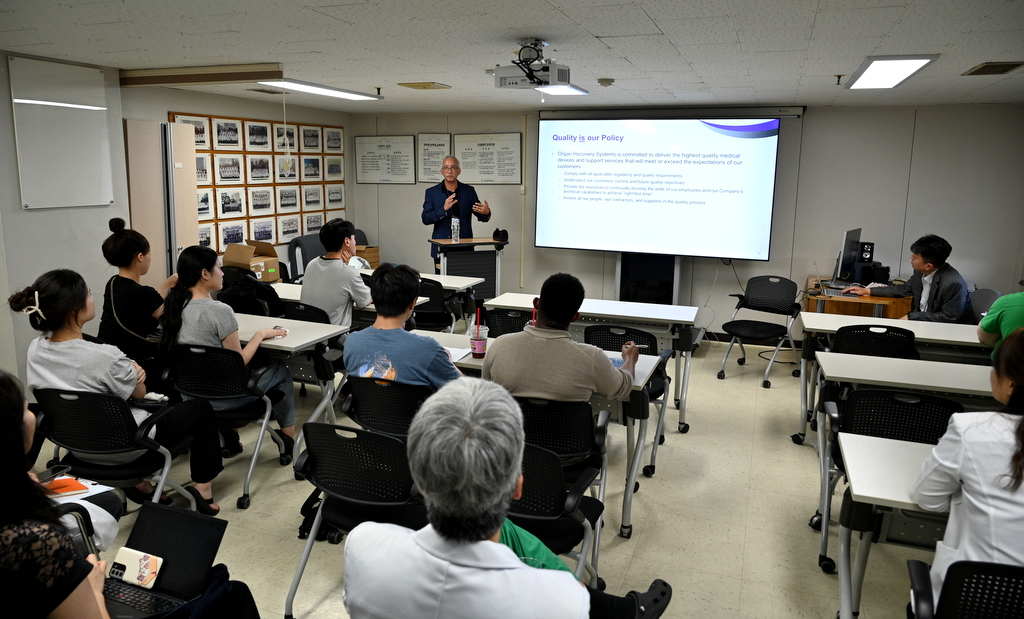
- Providing patient-centered organ transplant services through systematic assessment of organ condition and efficient transplant preparation Hanyang University Hospital (President Lee Hyeongjoong) has introduced hypothermic machine perfusion (HMP) equipment to enhance the safety and efficiency of organ transplantation, laying the foundation for providing safer and faster transplant services to organ transplant patients. HMP is equipment that preserves an organ at low temperature while continuously circulating perfusion fluid to maintain the organ’s blood flow environment, and allows key indicators such as perfusion status, vascular resistance and temperature to be checked in real time. Unlike conventional static cold storage, it enables objective assessment of an organ’s condition before transplantation, helping improve the precision of organ preservation and transplant preparation. Hanyang University Hospital introduced the ‘LifePort Kidney Transporter’ from Organ Recovery Systems of the United States, laying the foundation for more systematic management of kidney condition throughout the process from kidney procurement to transport, preservation and transplantation. In particular, it is expected to contribute to improving the safety of the transplant process by allowing closer examination of pre-transplant condition even for kidneys from older donors or kidneys for which assessment of organ condition is important. In addition, the Hanyang University Hospital Transplant Center conducted ‘Kidney Hypothermic Machine Perfusion (HMP) Training’ on September 3 in the Department of General Surgery office on the 6th floor of the East Building to learn the principles and practical use of the equipment ahead of the clinical application of HMP. Christopher Laycock, a director at Organ Recovery Systems, the equipment manufacturer, attended the training and taught the operating principles of HMP, the latest clinical evidence, and equipment installation and operation methods. General Surgery medical staff Choi Jiyoon and Kim Kyungshik then practiced kidney cannulation, pressure setting according to vascular resistance, and organ transport and operating room handover procedures, enhancing their ability to use the equipment in the actual transplant process. Organ transplantation is a highly complex medical field that requires close cooperation among many medical staff within a limited time, from securing and procuring a donor organ to transport, preservation and transplant surgery. Accordingly, it is important not only to preserve the organ stably but also to accurately assess the organ’s condition before transplantation and determine whether transplantation is appropriate. The introduction of HMP and systematic training are expected to further enhance expertise in this organ preservation and assessment process. Director of the Transplant Center Choi Dongho said, “Building on its history of successfully performing Korea’s first brain-dead donor kidney transplant, Hanyang University Hospital has accumulated extensive clinical experience, including achieving 1,000 kidney transplants last year,” adding, “Through the introduction of the HMP equipment and specialized training, we will do our best to assess the condition of donor kidneys more precisely and provide patients with safer and optimized transplant treatment.” The Hanyang University Hospital Transplant Center plans to continue combining its extensive clinical experience with advanced medical technology to enhance the safety and outcomes of organ transplantation and to continuously develop a patient-centered organ transplant care system.
2026-08-27
-
500 Robotic Surgeries Achieved
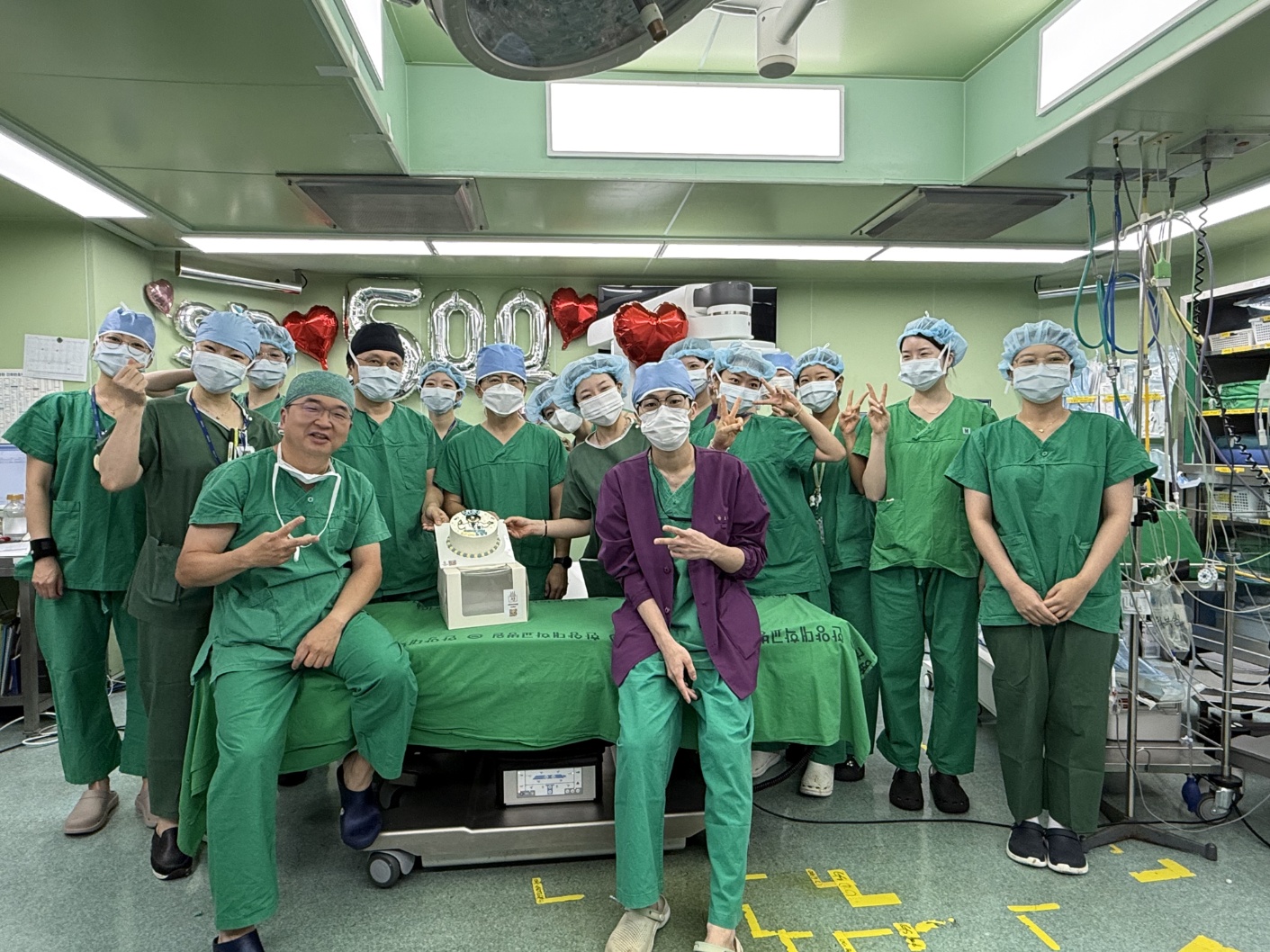
- Minimizing incisions and performing precise surgery to reduce patients’ recovery burden and strengthen robotic surgery capabilities Hanyang University Hospital (President Lee Hyeongjoong) held a ‘Ceremony Commemorating 500 Da Vinci SP Robotic Surgeries’ in the robotic surgery room on the 5th floor of the Main Building on August 26. Key officials, including President Lee Hyeongjoong and Director of the Robotic and Endoscopic Surgery Center Bae Jaeman (Professor of Obstetrics Gynecology), attended the event to celebrate the 500th case and share the direction for the development of robotic surgery. Since introducing the Da Vinci SP in December 2024, Hanyang University Hospital has achieved a cumulative total of 500 robotic surgeries in about two years. Various departments, including Obstetrics Gynecology, Urology, General Surgery, Otolaryngology and Thoracic Cardiovascular Surgery, have used the Da Vinci SP for a variety of diseases, expanding the scope of robotic surgery. The Da Vinci SP is a single-port robotic surgery system that performs surgery through a single incision of about 2.5 cm. A 3D HD high-resolution camera and multi-jointed surgical instruments are inserted through a single channel, enabling precise surgery even in narrow and deep surgical sites. In particular, it can minimize the incision area, reducing patients’ physical burden such as postoperative pain, bleeding and scarring, and aiding recovery. President Lee Hyeongjoong said, “Achieving 500 Da Vinci SP robotic surgeries is the result of efforts to provide patients with more precise and safe surgery based on the expertise of our medical staff and cooperation among departments,” adding, “We will continue to do our best to actively use advanced robotic surgery technology to reduce patients’ physical burden and improve the quality of treatment.” Director Bae Jaeman of the Robotic and Endoscopic Surgery Center said, “The Da Vinci SP enables precise surgery through a single incision, which can help reduce the burden of postoperative recovery for patients,” adding, “We will select the appropriate surgical method by comprehensively considering each patient’s disease and condition, and continue to enhance the expertise and safety of robotic surgery.” Hanyang University Hospital plans to continue expanding the fields of application for robotic surgery based on interdepartmental collaboration and expertise, and to strengthen its patient-centered system for precise, minimally invasive surgery (End). Main fields of application Urology: prostate cancer, kidney cancer, bladder cancer, etc. (Professor Park Sung Yul, Professor Yoon Youngeun) Obstetrics Gynecology: uterine fibroids, uterine cancer, ovarian tumors, pelvic organ prolapse, etc. (Professor Bae Jaeman, Professor Lee Wonmoo) General Surgery: thyroid cancer, colorectal cancer, gastric cancer, gallbladder disease, breast cancer, etc. (Professor Ha Taekyung, Professor Jung Yoonkyung) Otolaryngology: head and neck cancer, salivary gland tumors, etc. (Professor Tae Kyung, Professor Song Changmyeon) Thoracic Cardiovascular Surgery: lung cancer, esophageal cancer, mediastinal tumors, etc. (Professor Kim Yeonsu)
2026-08-26
-
Professor Han Sangyoon Receives ‘18th LG Chem Future Medical Scientist Award’
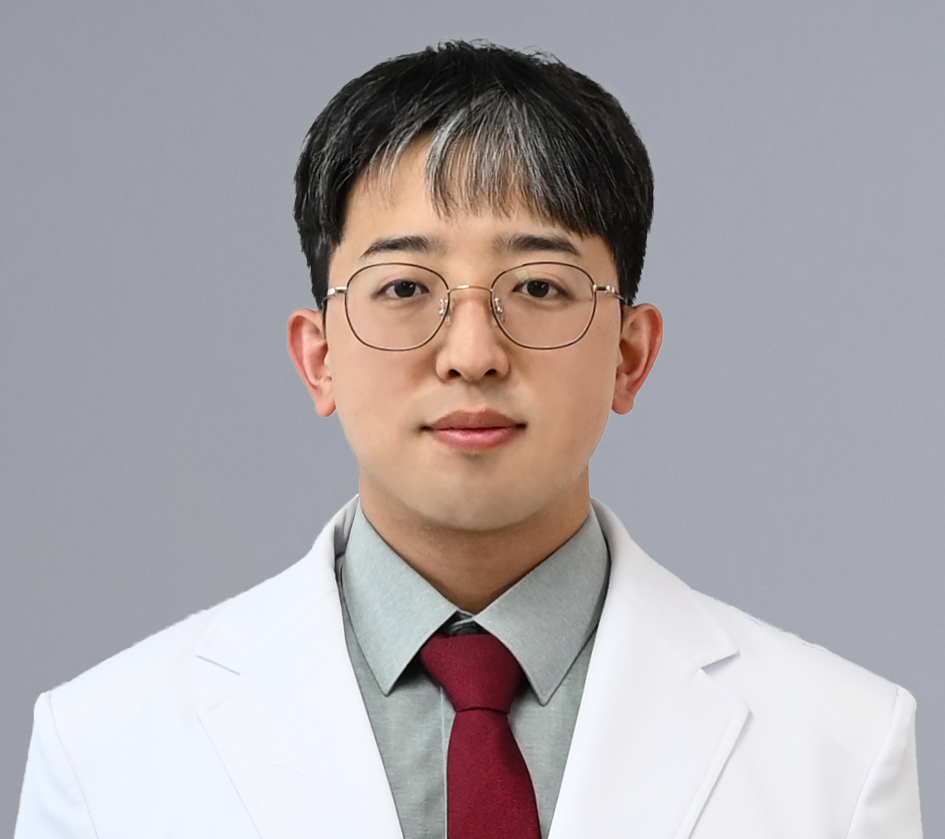
- Recognized for research achievements in otology and stem cells and tissue regeneration Professor Han Sangyoon of the Department of Otolaryngology at Hanyang University Hospital was selected as a recipient of the ‘18th LG Chem Future Medical Scientist Award,’ organized by Korean Doctors’ Weekly and sponsored by LG Chem. The ‘LG Chem Future Medical Scientist Award’ was established to encourage the academic activities of young researchers who will lead the future of Korean medicine and to contribute to medical advancement, and recipients are selected from among young medical scientists who have achieved outstanding results in clinical practice and research. Professor Han Sangyoon has conducted active research in otology as well as stem cells and tissue regeneration, devoting himself to research aimed at developing new treatments for intractable diseases and improving patients’ quality of life. In particular, he received the honor for continuously publishing research results aimed at overcoming intractable diseases in otolaryngology while combining clinical practice with basic and translational research. Professor Han said, “I was able to devote myself to research thanks to my mentors and many professors who consistently taught me despite their busy schedules, and my family who quietly cheered me on and supported me,” adding, “Taking this award as an opportunity, I will remain humble and true to my original intentions and do my best in research and patient care to overcome intractable diseases in otology and improve patients’ quality of life.” Professor Han has recently continued to achieve excellent results through active research and academic activities. He received the Outstanding Paper Award from the Korean Balance Society in 2026, and his papers were selected for ‘Korean People Who Shine (Hanbitsa)’ in 2026 and 2025. He also received the ‘Casselberry Award’ from the American Laryngological Association in 2024, and over the past three years has published 30 papers as a principal author in Korea and abroad and filed one international patent, continuing his research to discover new knowledge in otolaryngology and develop treatment technologies. Professor Han Sangyoon, who currently specializes in treating otologic diseases such as hearing loss, otitis media, cochlear implants, dizziness and otitis externa at the Department of Otolaryngology of Hanyang University Hospital, graduated from Seoul National University College of Medicine and received his master’s and doctoral degrees from the same graduate school. He is working to advance research and clinical care in otology through active academic activities in the Korean Society of Otorhinolaryngology-Head and Neck Surgery, the Korean Otological Society, the Korean Audiological Society and the Korean Balance Society (End).
2026-08-26
-
Hanyang University Cancer Hospital to Hold ‘Opening Commemorative Symposium’
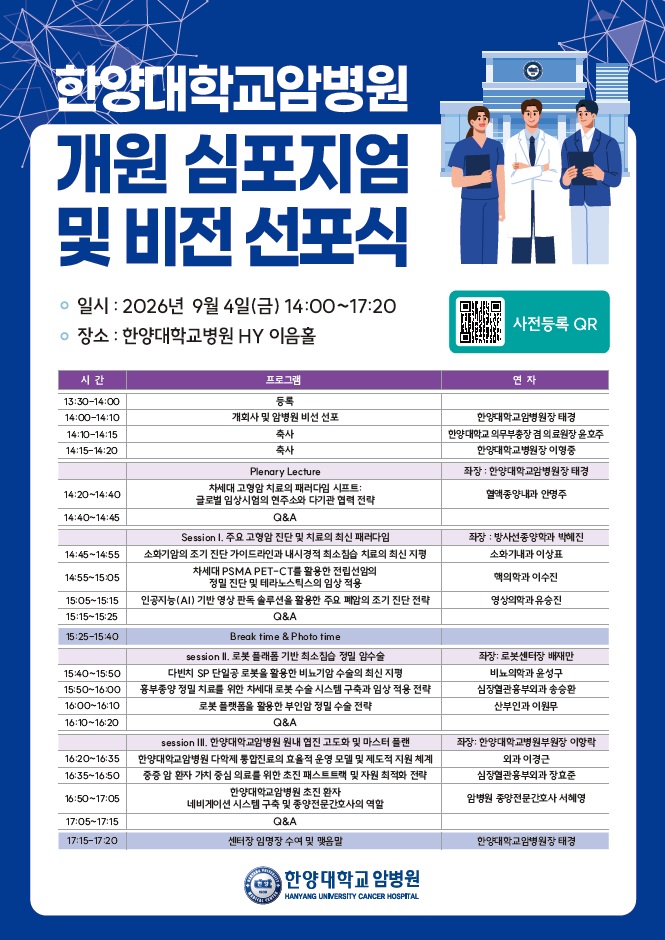
- ‘Paradigm Shift in Next-Generation Solid Tumor Treatment’ as the theme for discussing the latest cancer treatment strategies Ahead of its official opening on September 4, Hanyang University Cancer Hospital (President Tae Kyung) will hold an academic symposium to commemorate the occasion. Building on the cancer care experience and research capabilities accumulated over the 35 years since the Cancer Center opened in 1991, Hanyang University Cancer Hospital plans to establish an independent organizational structure dedicated to cancer care and bring patient-centered integrated cancer care into full swing. Hanyang University Cancer Hospital has further solidified a multidisciplinary care system involving specialists for each cancer type, centered on 15 specialized cancer centers covering lung cancer, head and neck cancer, thyroid cancer, breast cancer, colorectal cancer, gastric cancer, urologic cancer, gynecologic cancer and more. In addition, through a fast track for cancer patients, care is linked from diagnosis to surgery within one week, and dedicated coordinator nurses operate a patient-centered care system. Held to commemorate the official opening, the symposium will be organized under the theme ‘Paradigm Shift in Next-Generation Solid Tumor Treatment.’ It will share the latest insights into cancer diagnosis and treatment and discuss future directions for cancer care, such as robotic surgery, artificial intelligence (AI) and precision medicine, as well as the clinical and research strategies of Hanyang University Cancer Hospital. In the keynote lecture opening the symposium, Cancer Hospital President Tae Kyung (Professor, Department of Otolaryngology) will serve as chair, and Professor Ahn Myungjoo of the Department of Hematology Oncology will present ‘Paradigm Shift in Next-Generation Solid Tumor Treatment: The Current State of Global Clinical Trials and Multicenter Collaboration Strategies.’ The following Session 1 (chair: Professor Park Haejin, Department of Radiation Oncology) will feature lectures under the theme ‘The Latest Paradigms in the Diagnosis and Treatment of Major Solid Tumors’ on ▲early diagnosis and endoscopic minimally invasive treatment of gastrointestinal cancers (Professor Lee Sangpyo, Department of Gastroenterology) ▲precision diagnosis of prostate cancer using next-generation PSMA PET-CT and the clinical application of theranostics (Professor Lee Soojin, Department of Nuclear Medicine) ▲strategies for the early diagnosis of major lung cancers using AI-based image interpretation solutions (Professor Yoo Seungjin, Department of Radiology). Session 2 (chair: Bae Jaeman, Director of the Robot Center and Professor of the Department of Obstetrics Gynecology) will continue with presentations under the theme ‘Minimally Invasive Precision Cancer Surgery Based on Robotic Platforms’ on ▲the latest horizons in urologic cancer surgery using the da Vinci SP single-port robot (Professor Yoon Sungkoo, Department of Urology) ▲strategies for establishing and clinically applying a next-generation robotic surgery system for the precision treatment of thoracic tumors (Professor Seung Hwan Song, Department of Thoracic Cardiovascular Surgery) ▲precision surgery strategies for gynecologic cancer using robotic platforms (Professor Lee Wonmoo, Department of Obstetrics Gynecology). Session 3 (chair: Lee Hanglak, Vice President and Professor of the Department of Gastroenterology) will cover, under the theme ‘Advancing In-Hospital Collaborative Care and the Master Plan of Hanyang University Cancer Hospital,’ the core action strategies of the Cancer Hospital, including ▲an efficient operating model and institutional support system for multidisciplinary integrated care at Hanyang University Cancer Hospital (Professor Lee Kyeonggeun, Department of General Surgery) ▲a first-visit fast track and resource optimization strategies for value-based care for patients with severe cancer (Professor Jang Hyojoon, Department of Thoracic Cardiovascular Surgery) ▲establishment of a navigation system for first-visit patients at Hanyang University Cancer Hospital and the role of the central advanced practice nurse (Oncology Advanced Practice Nurse Seo Hyeyoung, Cancer Hospital). Cancer Hospital President Tae Kyung said, “Hanyang University Cancer Hospital is preparing for a new start to realize patient-centered integrated cancer care, building on the cancer care and research capabilities it has accumulated over the past 35 years,” adding, “Through this opening and symposium, we will do our best to share the latest trends in cancer care in Korea and to present the direction of care and research that Hanyang University Cancer Hospital will pursue.” The president continued, “We will make multidisciplinary care, in which experts from all fields become one team centered on each individual patient, our core value, and develop the hospital into a cancer hospital that provides both the highest level of expertise and warm care.” (End)
2026-08-25
-
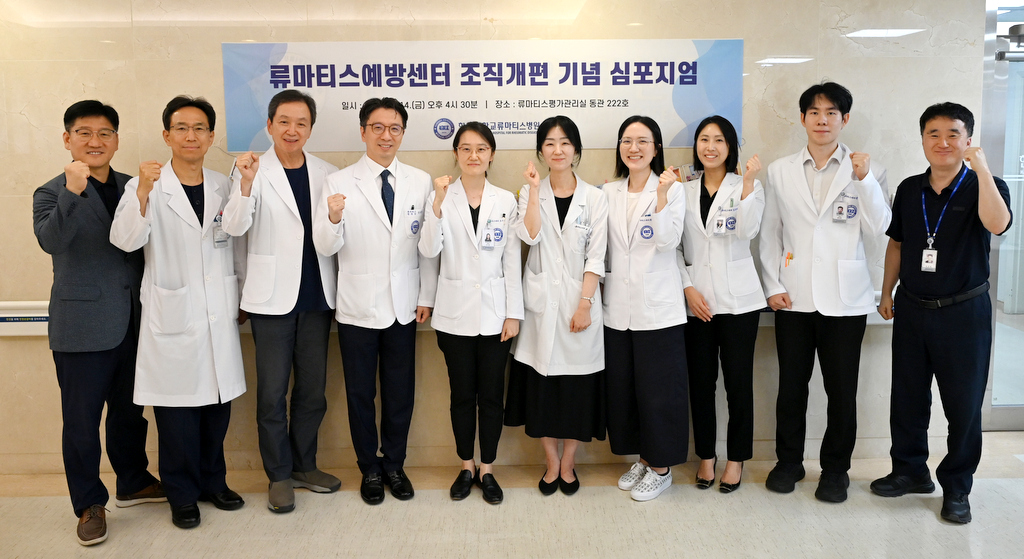
‘Signboard Ceremony and Symposium’ Held to Commemorate Reorganization of the Rheumatism Prevention Center
- Reorganized into a system of three specialized units centered on the Clinical Precision Medicine Office, the Assessment and Management Office and the Shared Decision-Making Office - Establishing a full-cycle prevention and management system, from early diagnosis to disease activity assessment and patient-participatory customized treatment Hanyang University Hospital for Rheumatic Diseases (President Sung Yoonkyoung) held the ‘2026 Symposium and Signboard Ceremony Commemorating the Reorganization of the Rheumatism Prevention Center’ in the Assessment and Management Office on the 2nd floor of the East Building of the Hospital for Rheumatic Diseases on the 14th. The event was organized to commemorate the reorganization of the Rheumatism Prevention Center and strengthen its patient-centered prevention and management system. It was attended by key officials, including Hanyang University Hospital for Rheumatic Diseases President Sung Yoonkyoung and Director of the Rheumatism Prevention Center Cho Sukyung. The event began with congratulatory remarks by President Sung Yoonkyoung and a greeting by Director of the Rheumatism Prevention Center Cho Sukyung, followed in order by △an operations report on the Rheumatism Assessment and Management Office (Part Leader Choi Yoonjung) △a presentation on methods for assessing disease activity in rheumatic diseases (Professor Choi Saerim of the Department of Rheumatology) △the unveiling of the signboard. Through this reorganization, the Rheumatism Prevention Center was restructured into a system of three specialized units: the ‘Clinical Precision Medicine Office,’ which handles analysis of risk factors for disease onset and early diagnosis; the ‘Assessment and Management Office,’ which handles disease activity assessment and management of severe patients; and the ‘Shared Decision-Making Office,’ where patients and medical staff jointly decide on the optimal treatment direction through customized patient education and in-depth consultations. Through this, the center has systematized the entire process of preventive medicine, from primary prevention that manages risk factors for the onset of rheumatic diseases to secondary prevention for early detection and treatment and tertiary prevention that prevents complications and disease progression. It has also strengthened shared decision-making, in which patients actively participate in their own treatment process and decide treatment goals and methods together with medical staff, establishing a full-cycle management system that encompasses patient-centered quaternary prevention. President Sung Yoonkyoung said, “Through the reorganization of the Rheumatism Prevention Center, we have been able to further strengthen the foundation for systematic patient management, from prevention to diagnosis, treatment and severity management,” adding, “We will continue to provide support so that patients can actively participate in the treatment process and be more satisfied with their treatment.” Director of the Rheumatism Prevention Center Cho Sukyung said, “This reorganization is an important turning point for implementing the values of future medicine, patient-centered treatment and precision medicine, in actual clinical settings,” adding, “Through organic cooperation among the specialized units, we will provide patients with differentiated rheumatology care and establish ourselves as a hub of patient-centered rheumatology care.” Meanwhile, since its establishment in 2012, the Rheumatism Prevention Center of Hanyang University Hospital for Rheumatic Diseases has expanded the scope of preventive medicine, from preventing disease onset in high-risk groups for rheumatic diseases to early diagnosis and treatment and minimizing complications. In particular, in 2024 it began operating the Assessment and Management Office in line with the national health insurance coverage of disease activity (DAS28) assessment, working on systematic disease activity assessment and management of severe patients. Through this reorganization, the center plans to further strengthen its full-cycle rheumatic disease management system linking prevention, precision medicine and patient-participatory treatment (End).
2026-08-19
-
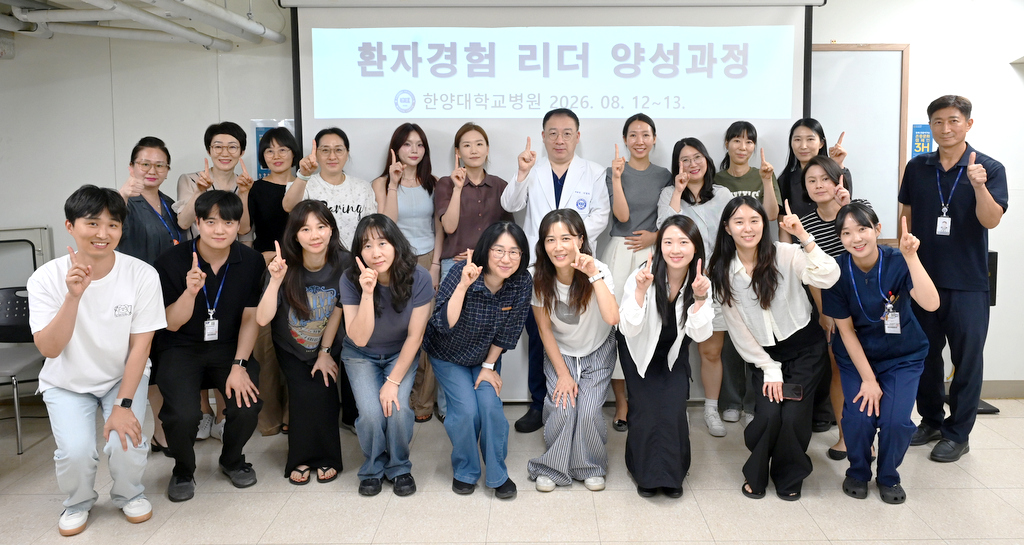
‘Patient Experience Leader Training’ Held
- Practice-oriented training conducted to spread patient experience and a patient-centered organizational culture Hanyang University Hospital (President Lee Hyeongjoong) conducted ‘Patient Experience Leader Training’ for two days, from August 12 to 13, to spread patient experience and a patient-centered organizational culture. The training was conducted for patient experience leaders selected from each department. Park Soyoung, Vice President of the Meditop Service Institute, was invited, and the program was structured with a practical focus to raise understanding of the patient experience assessment and to enable participants to lead improvements in patient experience within their departments. The training consisted of △understanding the patient experience assessment △image strategies for patient experience leaders △monitoring techniques for patient-facing departments △developing the lecturing skills of patient experience leaders and demonstration lectures, among others. The training focused on strengthening the capabilities of patient experience leaders so that they can grow beyond simply preparing for assessments into leaders who drive change to improve patient experience in each department and put it into practice together with employees. In particular, a process was arranged in which participants delivered training content themselves through demonstration lectures and received expert feedback, which also enhanced their lecturing skills so that they can conduct patient experience-related training in each department in the future. Vice President Lee Hanglak emphasized, “The patient experience assessment is the most difficult of the many evaluations the hospital undergoes,” adding, “Since it evaluates what patients experience throughout every process of using the hospital, it is difficult to achieve good results through the efforts of any one department alone.” The vice president continued, “Improving patient experience is a task that requires the joint efforts of all departments, not only medical care and nursing but also patient administration, testing, imaging, pharmacy, nutrition, facilities and housekeeping,” and urged, “I ask that the patient experience leaders of each department take the lead in creating, together with employees, a culture of thinking and acting from the patient’s perspective.” The vice president also encouraged active involvement, saying, “Patient experience leaders are not simply people who prepare for assessments; they play a key role in changing patient experience in each department.” The patient experience leaders who completed the training will listen to the voices of patients in their respective departments, monitor inconveniences arising at patient touchpoints, and lead patient experience improvement activities and employee training. Meanwhile, Hanyang University Hospital plans to continue promoting patient experience improvement activities in which all faculty and staff participate, centered on the patient experience leaders, to build a hospital where patients feel respected and a hospital that patients and their caregivers can trust. (End)
2026-08-18
-
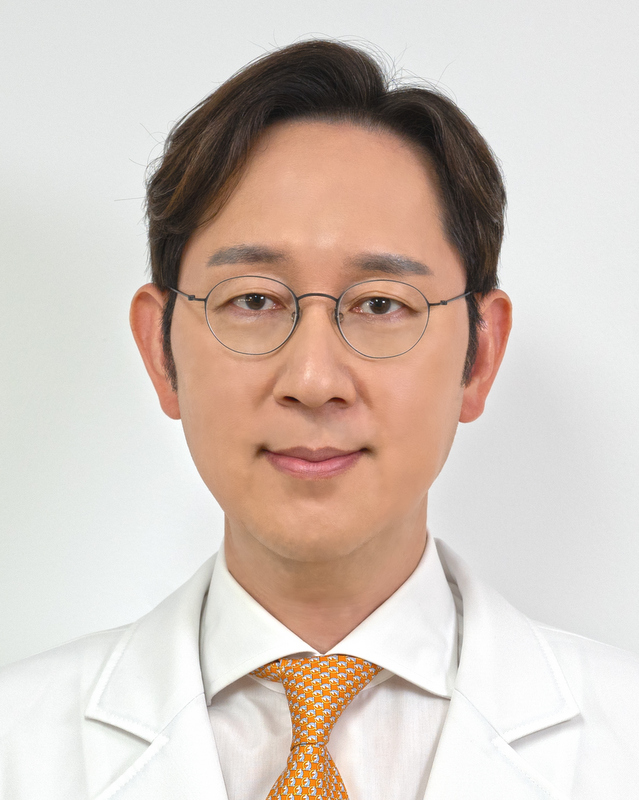
Professor Roh Sungwon Elected President of the Asia-Pacific Society for Alcohol and Addiction Research
- “I will lead international cooperation and research advancement in addiction medicine in the Asia-Pacific region” Professor Roh Sungwon of the Department of Neuropsychiatry at Hanyang University Hospital was elected president at the regular academic conference of the Asia-Pacific Society for Alcohol and Addiction Research (APSAAR), held in Jakarta, Indonesia, from July 31 to August 2. His term is two years, until 2028. Professor Roh was elected vice president at the APSAAR board meeting during the regular academic conference held in Melbourne, Australia, in September 2024, and has contributed to the society’s operation and the promotion of international cooperation. With his inauguration as president, he will lead academic exchange and joint research in addiction medicine in the Asia-Pacific region. APSAAR is an international academic organization established for research, education and international cooperation in all areas of addiction medicine, including alcohol use disorders, drug addiction and behavioral addiction, in the Asia-Pacific region. Professor Roh has served as a board member since its founding in 2008, contributing to the society’s development and the building of its international network. Professor Roh Sungwon said, "Addiction is an important public health problem that affects not only individual health but also families and society as a whole," adding, "I will do my best to develop evidence-based addiction prevention and treatment systems and further strengthen international cooperation through active academic exchange and joint research among Asia-Pacific countries." Professor Roh graduated from Hanyang University College of Medicine and received his master’s and doctoral degrees from the same graduate school, and trained at the National Hospital Organization Kurihama Medical and Addiction Center in Japan and the addiction medicine center of Massachusetts General Hospital, Harvard Medical School, in the United States. He also contributed to national mental health policy and the establishment of addiction prevention systems, serving as Head of the Mental Health Research Division at the National Center for Mental Health under the Ministry of Health and Welfare, Director of the Mental Health Welfare Center and the Dementia Care Center in Yangpyeong-gun, Gyeonggi-do, and Deputy Head of the Ministry of Health and Welfare’s Central Mental Health and Welfare Project Support Group. In terms of society activities, he continues active international academic exchange, serving as Vice Chairman of the Korean Academy of Addiction Psychiatry, Vice President of the Korean Society for Research on Nicotine and Tobacco, and a full member of the International Society for Biomedical Research on Alcohol and Addictions, the Society for Neuroscience and the American Society of Clinical Psychopharmacology (End).
2026-08-05
-
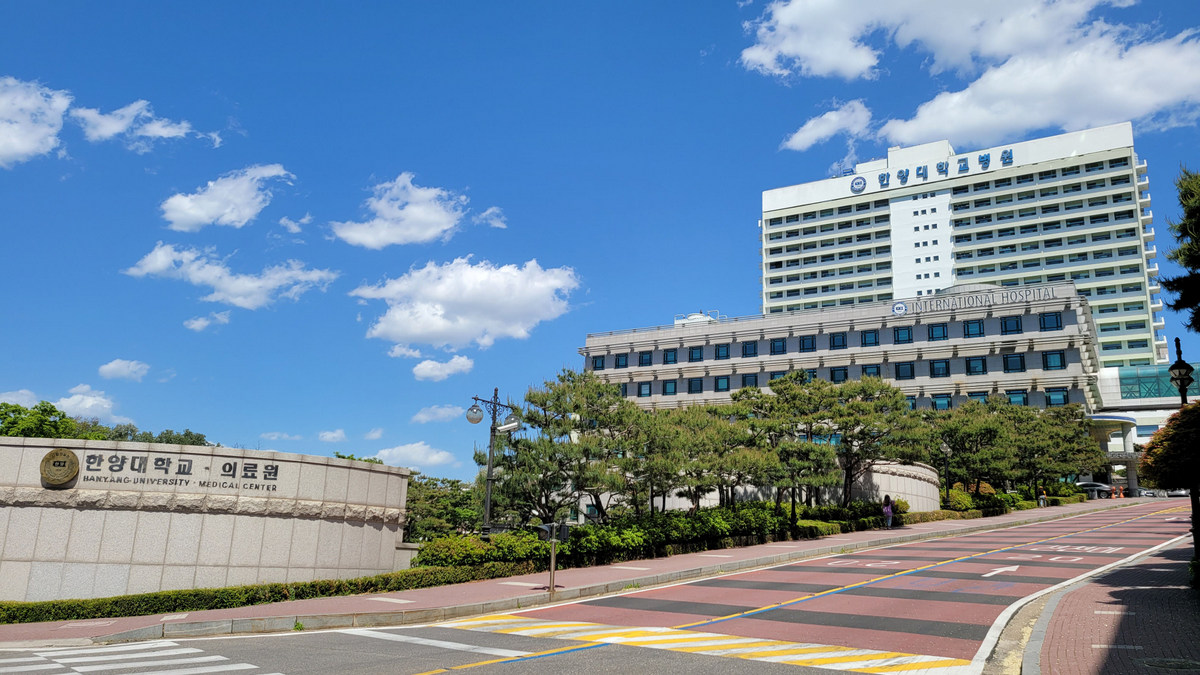
Grade 1 for 11th Consecutive Time in ‘Acute Stroke Quality Assessment’
Hanyang University Hospital (President Lee Hyeongjoong) received the top Grade 1 in the 11th “Acute Stroke Quality Assessment” announced by the Health Insurance Review and Assessment Service (HIRA), once again demonstrating its excellence in acute stroke treatment. The assessment covered medical institutions nationwide that provided inpatient care for acute stroke from October 2024 to March 2025, and comprehensively evaluated structure, process and outcome indicators. Hanyang University Hospital scored a total of 98.97 points, above the overall average (85.17 points), and received Grade 1. In particular, Hanyang University Hospital recorded 100% on key treatment process indicators, including the rate of intra-arterial thrombectomy within 120 minutes of hospital arrival, the rate of definitive treatment for subarachnoid hemorrhage within 24 hours of hospital arrival, the early rehabilitation assessment rate, the functional assessment rate, and the intravenous thrombolytic (t-PA) administration rate. It also showed excellent treatment outcomes, with an in-hospital pneumonia incidence of 0% for hemorrhagic stroke and 0.5% for ischemic stroke. In addition, it recorded good results on the adjusted 30-day in-hospital mortality indicators for both hemorrhagic and ischemic stroke, confirming the excellence of its fast and systematic stroke care system. President Lee Hyeongjoong said, "Acute stroke is a disease in which not missing the treatment window determines a patient's survival and residual disability," adding, "This assessment is the result of many departments and medical staff, including Neurology, Neurosurgery, Emergency Medicine, and Physical Medicine Rehabilitation, working closely together to build a rapid treatment system." He continued, "We will further strengthen our patient-centered specialized care system and do our best to fulfill our role as a tertiary general hospital leading the treatment of severe and emergency diseases" (End).
2026-07-31
-
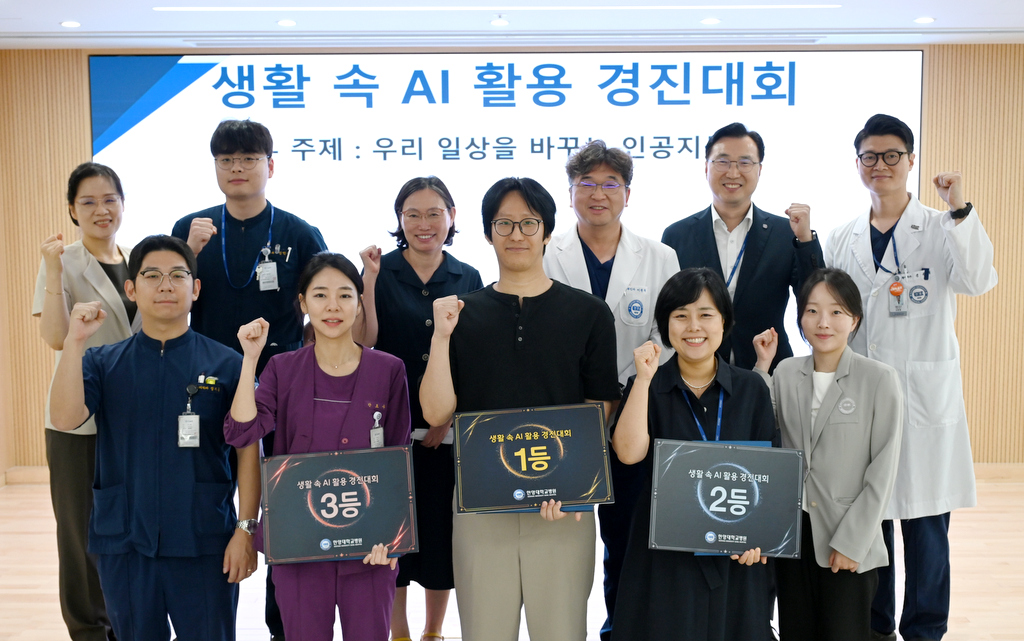
‘1st AI in Everyday Life Contest’ Held
- Staff share experiences using generative AI… expected to spread an AI-friendly smart organizational culture Hanyang University Hospital (President Lee Hyeongjoong) held the ‘1st AI in Everyday Life Contest’ on July 29 in HY Eum Hall on the 3rd floor of the Main Building. Under the theme ‘Artificial Intelligence That Changes Our Daily Lives,’ the contest was organized to share staff members’ experiences using generative AI and to foster an AI-friendly organizational culture. In particular, it was held for the first time to lower the psychological barriers to generative AI and spread a culture of its use by discovering and sharing AI use cases that can be easily applied not only in the medical field but also in daily life. In his opening address, President Lee Hyeongjoong said, “AI technology is no longer the domain of a few experts or a cutting-edge technology that feels distant, but is becoming a practical partner that eases the daily lives and workloads of our staff,” adding, “I hope this contest will be an opportunity to use AI more familiarly in the medical field and in daily life, and we will actively support our hospital in leading an AI-friendly smart organizational culture.” In the finals that day, eight presenters selected through a preliminary review took the stage and presented various cases of using generative AI such as Chat GPT, Gemini and Claude. The presentations included ▲a smart homeschooling plan (Supervisor Kim Wonchul, Department of Physical Medicine Rehabilitation) ▲managing routines before and after commuting (Supervisor Jang Younghwan, Department of Nursing) ▲a customized meal plan curator (Supervisor Jung Yuna, Evaluation Policy Management Group) ▲writing a heart diary for family communication (Supervisor Ahn Hyein, Department of Nursing) ▲choosing individual insurance products (Supervisor Jung Jihoon, Department of Radiology) ▲travel planning (Supervisor Kim Aekyung, Department of Nursing) ▲guiding English reading and writing (Supervisor Uhm Juok, Insurance Review Team) and ▲making use of housing loans (Medical Technician Shin Minsoo, Department of Dentistry), and drew great interest as staff from administration, nursing and clinical support shared the AI experience and know-how they had applied in their actual lives and work. Judging was conducted by key officials, including President Lee Hyeongjoong, Vice President Lee Hanglak and Director of Training and Education Lee Wonmoo, who comprehensively evaluated expressiveness, the completeness and reproducibility of AI outputs, relatability and the ability to respond to questions. In his review, Director of Training and Education Lee Wonmoo said, “This contest was a meaningful occasion to share how the various concerns staff experience in daily life and work can be solved with AI, rather than implementing complex and difficult technology,” adding, “I thank all the presenters who won empathy with fresh ideas and excellent execution, and we will continue to expand training and support to strengthen staff members’ AI capabilities.” As a result of the evaluation, the grand prize went to Supervisor Jang Younghwan of the Department of Nursing, who presented ‘managing routines before and after commuting.’ The excellence award went to Supervisor Uhm Juok of the Insurance Review Team, who presented ‘guiding English reading and writing,’ and the encouragement award went to Supervisor Ahn Hyein of the Department of Nursing, who presented ‘writing a heart diary for family communication.’ Meanwhile, Hanyang University Hospital plans to continuously expand generative AI training and utilization programs and continue various efforts to realize an AI-based smart hospital and strengthen staff members’ digital capabilities (End).
2026-07-30