

Total posts : 1394
-
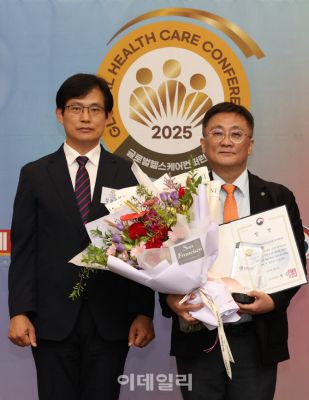
Receives ‘Minister of Health and Welfare Award’ in Global Healthcare
Hanyang University Hospital (President Lee Hyeongjoong) received the ‘Minister of Health and Welfare Award (healthcare industry category)’ in recognition of its achievements in the global healthcare industry and its contribution to the development of Korean medical services. The award ceremony was held at the ‘12th Edaily Global Healthcare Awards’ in Seoul on September 4. Through active efforts to attract international patients and the provision of customized services, Hanyang University Hospital is raising its international standing and widely promoting its treatment technology for complex and intractable diseases overseas. In terms of service, the hospital provides a variety of medical services that take into account the characteristics of international patients. In particular, it offers cancer screening packages at reasonable cost for international patients whose diets are high in calories and fat, and it has maximized convenience of travel for group patients by operating a concierge service. In addition, it has introduced a prepaid treatment cost account system for international patients, smoothing the visa issuance process and relieving anxiety about carrying large amounts of cash, earning a strong response from patients. It is also achieving remarkable results in medical care and research. Led by the Cell Therapy Center of the Department of Neurology, it conducted clinical research on ‘Neuronata-R Inj.,’ an autologous bone marrow-derived mesenchymal stem cell therapy, for patients with Lou Gehrig's disease (ALS), contributing to improving the treatment success rate and quality of life of international patients. Of a total of 591 treatments (486 patients) from 2016 to 2023, treatments of international patients numbered 190 (74 patients). President Lee Hyeongjoong said, “We have constantly thought and worked from the patient's perspective to provide the best medical services to international patients,” adding, “We will continue to provide the best treatment through expanding our overseas network, prompt response and care coordination, and further raise the hospital's international standing.”
2025-09-10
-
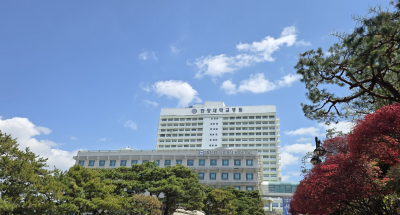
Business Agreement Signed with Syneos Health for Clinical Trial Cooperation
The Clinical Trial Center of Hanyang University Hospital (Director Cho Sukyung) signed a business agreement on September 8 with Syneos Health, a leading global biopharmaceutical solutions company, and joined the Catalyst Trusted Partner Program, a network program of excellent clinical trial sites strategically linked to Syneos Health clinical trials. The agreement was pursued to improve the predictability and quality of clinical trials and to promote more systematic and rapid clinical trial operations. Under the agreement, the two organizations will cooperate in various areas, including ▲sharing clinical trial opportunities and proposals ▲streamlining clinical trial operation processes ▲mutual feedback based on key performance indicators (KPIs) ▲ensuring transparency in the management of PIs (principal investigators) and research staff ▲establishing a rapid document review and response system. Professor Cho Sukyung of the Department of Rheumatology, Director of the Clinical Trial Center, said, “Through this agreement, Hanyang University Hospital will be able to further strengthen its position on the international clinical trial stage based on its strategic partnership with Syneos Health,” adding, “We will contribute to the development of innovative patient-centered treatments by creating a world-class clinical trial environment.” Song Yoonsun, Director in charge of Korean clinical trial operations at Syneos Health, said, “The Catalyst Site Program is Syneos Health’s strategic initiative that pursues consistent quality and efficiency at research sites around the world. This partnership with Hanyang University Hospital will be an opportunity to further strengthen the global competitiveness of domestic research institutions.” Meanwhile, the Clinical Trial Center of Hanyang University Hospital continues to strengthen its clinical trial capabilities by collaborating with various research institutions and companies at home and abroad to provide better treatments to patients. (End)
2025-09-09
-
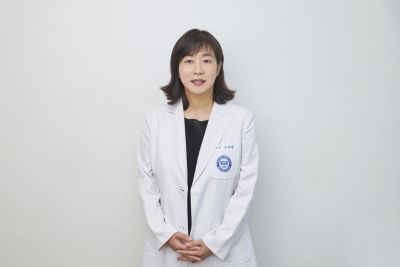
Professor Ko Jooyeon Elected President of the Korean Society for Contact Dermatitis and Skin Allergy
Professor Ko Jooyeon of the Department of Dermatology at Hanyang University Hospital was recently elected the 19th president at the ‘2025 42nd General Assembly of the Korean Society for Contact Dermatitis and Skin Allergy’ held in the main auditorium of Seoul St. Mary’s Hospital. Her term is two years, from September 1, 2025, to August 31, 2027. The Korean Society for Contact Dermatitis and Skin Allergy is the society with the longest history among the societies under the Korean Dermatological Association. Since its founding in 1980, starting with its first symposium in 1983, it has led clinical and basic research on skin allergic diseases. Through its annual academic conference, it shares the latest research results, strengthens patient care and research capabilities, and plays an important role in developing clinical guidelines. Professor Ko Jooyeon is an authority in the field of allergy and contact dermatitis in Korean dermatology and has contributed greatly to advancing the diagnosis and treatment of allergic skin diseases based on extensive clinical experience and research achievements. In particular, she has continued developing patient-tailored treatments and conducting academic research on atopic dermatitis, contact dermatitis and drug allergies, and is active on the academic stage at home and abroad. In particular, Hanyang University Hospital has the world’s largest lupus disease cohort, and Professor Ko has presented meticulous long-term treatment plans based on her experience treating many patients with intractable skin diseases requiring long-term treatment, such as lupus and blistering diseases. Professor Ko Jooyeon said, “Amid rapidly changing environments and lifestyles, skin allergic diseases are becoming increasingly common,” adding, “I will do my best so that the society can share the latest knowledge and disseminate research results to provide better treatment to patients.” Meanwhile, Professor Ko Jooyeon graduated from Hanyang University College of Medicine, received her master’s and doctoral degrees from the same graduate school, and currently serves as Head of the Department of Dermatology at Hanyang University Hospital. She is also active in academic societies, serving as Director of Planning and Policy of the Korean Dermatological Association, Director of Public Relations of the Korean Acne Rosacea Society, Director of Finance of the Korean Society for Laser Dermatology, Director of Information of the Korean Atopic Dermatitis Association, Director of Academic Affairs of the Seoul branch of the Korean Dermatological Association, Director of Ethics of the Korean Society for Medical Laser, and a board member of the Korean Society for Investigative Dermatology. (End)
2025-09-05
-
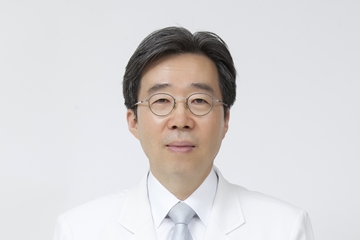
Distinguished Professor Bae Sangcheol Receives APLAR Master Award
Distinguished Professor Bae Sangcheol of Hanyang University Hospital for Rheumatic Diseases was honored with the ‘APLAR Master Award’ at the Asia Pacific League of Associations for Rheumatology (APLAR, Asia Pacific League of Associations for Rheumatology, hereinafter APLAR) congress recently held in Fukuoka, Japan. Since its establishment in 2016, the ‘APLAR Master Award’ has been the highest honor presented to experts who have made outstanding achievements over decades across research, education, clinical practice and academic activities in the field of rheumatology in the Asia-Pacific region. Along with the ACR Master (American College of Rheumatology), ‘APLAR Master’ is a highly prestigious title in the global rheumatology community, and Distinguished Professor Bae received the ‘2024 ACR Master Award.’ Distinguished Professor Bae said, ‘‘Following the ACR Master Award last year, I am deeply honored to receive such a prestigious award this year, and all of this is thanks to the help of my mentors, colleagues, seniors and juniors, and my family,” adding, “I will continue to do my best to contribute to the advancement of rheumatology worldwide and to the treatment of patients.” Distinguished Professor of Medicine Bae has served as President of Hanyang University Hospital for Rheumatic Diseases and Director of the Clinical Research Center for Rheumatoid Arthritis designated by the Ministry of Health and Welfare, and currently serves as Distinguished Professor at Hanyang University and Hanyang University Hospital, Director of the Institute for Rheumatology Research, Director of a key research institute designated by the Ministry of Education, and Director of the Hanyang University Institute of Bioscience and Biotechnology. He also exercises academic leadership as a member of the Systemic Lupus International Collaborating Clinics (SLICC) and the Asia Pacific Lupus Collaboration (APLC), and as a fellow of the National Academy of Medicine of Korea and the Korean Academy of Science and Technology. To date, he has published about 800 research papers, including about 580 papers in international SCIE-indexed journals, and has gained academic recognition in the global rheumatology community with publications in world-renowned journals such as Nature, New England Journal of Medicine, Cell, Nature Genetics, Nature Reviews Rheumatology, Annals of the Rheumatic Diseases, Arthritis and Rheumatology, and Lancet Rheumatology (End).
2025-09-04
-
.jpg)
Information Management Division and Medical Informatics Research Center Hold Joint Symposium
The Information Management Division (Vice President Kim Yeesuk) and the Medical Informatics Research Center (Director Kim Jeongeun) of Hanyang University Hospital held a joint symposium on the theme of ‘Utilization of Medical Data and Ways to Advance Clinical Research’ in the TBL Room on the sixth floor of the Main Building of Hanyang University College of Medicine on August 28. The symposium was organized to explore how rapidly advancing medical big data and artificial intelligence (AI) technologies can be applied in clinical settings. At the event, Yoon Hojoo, Executive Vice President for Medical Affairs and President of Hanyang University Medical Center, delivered a congratulatory speech, and Lee Hyeongjoong, President of Hanyang University Hospital, gave a welcoming address, while Kim Yeesuk, Vice President for Information Management (Professor of Orthopedic Surgery), opened the forum for academic exchange with an opening address. In the first session, chaired by Kim Jeongeun, Director of the Medical Informatics Research Center (Professor of Dermatology), Professor Na Jae Yoon of the Department of Pediatrics Adolescent gave a lecture on ‘Small Bodies, Big Data: The Present and Future of Pediatric Clinical Research,’ and Professor Kim Kwangsoo of the Department of Transdisciplinary Medicine at Seoul National University Hospital gave a lecture on ‘Unstructured Medical Data and Artificial Intelligence: The Convergence of Extended CDM (Common Data Model) and Clinical Intelligence.’ This was followed by a lively question-and-answer session between attendees and presenters. In the second session, chaired by Professor Park Heejin of the Department of Computer Science at Hanyang University, Kim Yeesuk, Vice President for Information Management, presented a vision for integrating and utilizing medical data under the theme ‘Strategies for Advancing the Clinical Dataware House (Clinical Database).’ Kim Sangheon, Vice President for Research (Professor of Pulmonology Allergy), then summarized the achievements of the symposium in a closing address. Kim Yeesuk, Vice President for Information Management, said, “This symposium was a meaningful occasion for in-depth discussion of the future of medical big data and the potential for advancing AI-based clinical research.” Kim Jeongeun, Director of the Medical Informatics Research Center, said, “We will continue to strengthen collaboration between researchers and clinicians to build a patient-centered system for utilizing medical information.”
2025-08-29
-
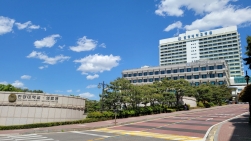
Grade 1 in ‘Breast Cancer Quality Assessment’
Hanyang University Hospital (President Lee Hyeongjoong) received the top Grade 1 in the “Breast Cancer Quality Assessment” recently announced by the Health Insurance Review and Assessment Service (HIRA). The assessment covered breast cancer care provided at medical institutions nationwide from January to December 2023. Hanyang University Hospital recorded a total score of 94.39 points, exceeding the tertiary general hospital average (93.75 points) and the average for all medical institutions (88.13 points), proving its expertise and excellence in breast cancer treatment. Among the main assessment items, it received perfect scores on indicators such as ▲whether specialized personnel are in place ▲completeness of pathology report records ▲rate of radiation therapy after total mastectomy, and also received high scores exceeding target values on other items such as the rate of multidisciplinary care for cancer patients. President Lee Hyeongjoong said, “This achievement is the result of our medical staff working closely together and constantly thinking about how to provide optimal treatment to each and every patient,” adding, “We will further advance our patient-centered multidisciplinary collaboration and specialized care system and strive to improve treatment outcomes and quality of life for cancer patients” (End).
2025-08-22
-

Professor Kim Hee-Jin’s Team Shows That AI ‘CLOVA CareCall’ Improves Memory and Emotions of Dementia Patients
AI looks after memory and lowers depression In a recently published study, the research team of Professor Kim Hee-Jin of the Department of Neurology at Hanyang University Hospital (Professor Kang Sungwoo and Dr. Lee Yoonjin) proved that the AI-based ‘Care Call’ service is effective in improving memory and relieving depressive symptoms in dementia patients. The findings were published in the July 2025 online edition of “Scientific Reports” (IF 3.9), a sister journal of the top international journal “Nature (Natire).” [Paper title: Beneficial effect of artificial intelligence care call on memory and depression in community dwelling individuals with dementia] Existing dementia prevention programs have been criticized for their limited accessibility and the difficulty of continuous monitoring. To overcome this, the research team introduced the *CLOVA CareCall system, which uses a large language model (LLM) based on Naver’s HyperCLOVA. Through voice calls, this AI provided conversations to 80 dementia patients living alone who were registered with the Seongdong-gu Dementia Relief Center (average age about 80, 78% women) twice a week for seven months, a total of 63 times, delivering emotional support and cognitive stimulation. The study found that the median Geriatric Depression Scale (GDS) score of dementia patients who received the Care Call service decreased significantly from 8.5 before the intervention to 6.0 after the intervention, and their memory scores improved markedly. The analysis also confirmed interaction effects by gender and education level. In particular, female patients showed greater effects in terms of memory improvement and maintenance of attention, while male patients showed a slight decrease in attention but no major change in memory. In addition, the group of patients with higher education tended to show relatively less worsening of depression and decline in attention regardless of gender, suggesting that education level may act as a protective factor in maintaining cognition and emotion. Professor Kim Hee-Jin said, “In addition to medication, continuous emotional and cognitive stimulation is essential in treating dementia patients,” adding, “CLOVA CareCall is a non-pharmacological intervention based on AI conversation that is accessible at any time and can be a new approach to improving patients’ quality of life.” She continued, “In the future, by developing customized intervention strategies tailored to various patient characteristics, we will slow the rate of cognitive decline and also contribute to reducing the caregiving burden on families.” The research team plans to increase the clinical usefulness of AI Care Call through ▲large-scale long-term follow-up studies ▲development of customized AI conversation content by patient characteristics ▲strengthening of support functions for caregivers and families. It is also exploring ways to expand the scope of the service to patients in areas lacking medical infrastructure or with limited mobility. (End)
2025-08-18
-
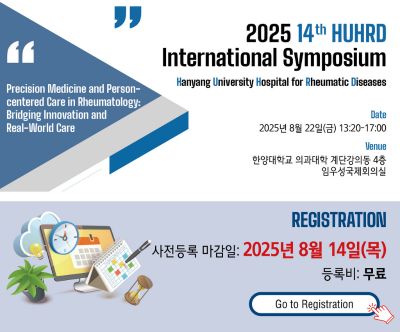
International Symposium Held on ‘Precision Medicine and Person-Centered Care’
Hanyang University Hospital for Rheumatic Diseases (President Kim Taehwan) will hold the “14th Hanyang University Hospital for Rheumatic Diseases International Symposium (14th HUHRD International Symposium)” from 1:20 p.m. on August 22 (Fri.) at the Lim Woosung International Conference Room on the 4th floor of the Tiered Lecture Hall of Hanyang University College of Medicine. The theme of the symposium is “Precision Medicine and Person-Centered Care: Bridging Innovation and Real-World Care in Rheumatic Diseases (Precision Medicine and Person-centered Care in Rheumatology: Bridging Innovation and Real-World Care),” and it was organized for domestic and international experts in rheumatic diseases to share and discuss the latest research results and clinical application cases. In the first session, “Precision Rheumatology: From Molecular Understanding to Individualized Care (Precision Rheumatology: From Molecular Insights to Individualized Care),” chaired by Professor Bae Sangcheol and Professor Kim Taehwan of Hanyang University Hospital for Rheumatic Diseases, Professor Shim Heejung of the University of Melbourne, Australia, will present on “mRNA Nanopore Data Analysis for High-Resolution Transcriptomics (High-resolution transcriptomics: Computational methods for mRNA nanopore data analysis),” Professor Hong Seokchan of the University of Ulsan College of Medicine on “Linking Molecular Signatures of Lupus to Clinical Disease Through Single-Cell and Spatial Transcriptomics (Single-cell and spatial transcriptomics in SLE: From molecular signatures to clinical disease),” and Professor Soyoung Bang of Hanyang University Guri Hospital on “Genomics and Individual Genetic Risk Scores in Rheumatic Diseases (Genomics and individual genetic risk scores in rheumatology),” discussing precision medicine approaches in depth. The second session, on the theme “Aging and Rheumatic Diseases: Clinical Trends in Elderly Patients (Aging and RMD: Clinical Trends of RMD in Elderly),” will be chaired by Professor Lee Hyesoon of Hanyang University Guri Hospital and Professor Sung Yoonkyoung of Hanyang University Hospital for Rheumatic Diseases, with Professor Song Minkyo of the U.S. National Institutes of Health (NIH) presenting on “Epidemiological Approaches in Autoimmunity and Aging Research (Epidemiologic approaches in studies of autoimmunity and aging),” Professor Kim Kyungmin of Yonsei University College of Medicine on “Prevalence and Prognosis of Sarcopenia in the Korean Elderly Population (Prevalence and outcomes of sarcopenia in Korean elderly population),” and Professor Cho Sukyung of Hanyang University Hospital for Rheumatic Diseases on “Biologic Therapy in Elderly Patients: Clinical and Social Considerations (Biologic therapies in older adults: Clinical and social considerations).” President Kim Taehwan said, “Customized strategies for each patient are essential in treating rheumatic diseases, and for this, in-depth discussion is needed on how to integrate precision medicine and person-centered care,” adding, “I hope this symposium will lead to active exchanges between researchers and clinicians and serve as an opportunity to open new horizons in patient care” (End).
2025-08-14
-
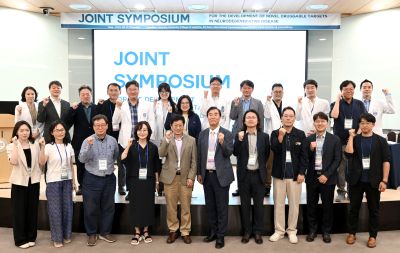
‘Joint Symposium for the Development of Novel Drug Targets in Neurodegenerative Disease’ Held
Sharing the latest research results and cooperation strategies for overcoming dementia globally and developing new drugs The Cell Therapy Center of Hanyang University Hospital (Director Kim Seunghyun) held the ‘Joint Symposium for the Development of Novel Druggable Targets in Neurodegenerative Disease’ at the Lim Woosung International Conference Room on the 4th floor of the tiered lecture building of Hanyang University College of Medicine on August 12. The symposium was arranged as part of global dementia prevention and treatment technology development research under the Ministry of Health and Welfare’s Dementia Research and Development Project, and served as a forum for academic exchange to share the discovery of new targets and precision medicine approaches in treatment strategies for neurodegenerative diseases and to discuss the latest research trends. The event began with an opening address by Professor Kim Seunghyun of the Department of Neurology, principal investigator of the global dementia project and Director of the Cell Therapy Center at Hanyang University Hospital, and proceeded in two sessions: ▲Session 1: 'Development of a Global Platform for Customized Treatment Strategies Based on Novel Drug Targets for Alzheimer’s Disease' and ▲Session 2: 'Treatment Strategies Using Protein Aggregation Dynamics, Immunity and Blood-Based Biomarkers in Neurodegenerative Diseases.' In Session 1, presentations were given on ▲ApoE and Brain Lipid Metabolism in Aging and Alzheimer’s Disease (Professor Guojun Bu, Hong Kong University of Science and Technology) ▲miRNA-214 as a Novel Biomarker Predicting Rapid Clinical Progression in Neurodegenerative Diseases (Professor Kim Seunghyun, Hanyang University Hospital) ▲Acetylation of Cox-2 and Regulation of Microglia and Alzheimer’s Disease (Professor Jin Heekyung, Kyungpook National University, and Dr. Kim Kyungyeol) ▲Association between ApoM-Bound S1P and APOE in Alzheimer’s Disease (Dr. Choi Byungjo, Kyungpook National University) ▲Inhibition of miRNA-214-3p Using Tough Decoy and Discovery of a Novel AAV Capsid for Alzheimer’s Disease (Vice President Kim Jongwan and researcher Lee Bumhwi, GenixCure). In Session 2, presentations were given on ▲Targeting Stress Granule Dynamics in Amyotrophic Lateral Sclerosis (Senior Researcher Nam Minyeob, Korea Brain Research Institute) ▲Aged Microglia: A Universal Therapeutic Target Beyond Subtypes (Professor Kwon Minsoo, CHA University) ▲Synthesis of RNA Nanoplatforms for Efficient RNA-Based Gene Regulation (Professor Lee Jongbum, University of Seoul) ▲Blood Biomarkers for Alzheimer’s Disease (Professor Ko Sungho, Hanyang University Guri Hospital) ▲Differences in Sex Phenotypes of Amyotrophic Lateral Sclerosis and Brain-Body Connection Mechanisms (Professor Minh Dang Nguyen, University of Calgary). In particular, Professor Guojun Bu (Hong Kong University of Science and Technology), an advisor to the global dementia network and a world authority on APOE4 genotype research, participated to share the latest research results and presented future directions and cooperation strategies for global joint research through in-depth discussions. The sessions were chaired by ▲Part 1: Mook Inhee, Director (Seoul National University, Korea Dementia Research Center (KDRC)), and Professor Bae Jaesung (Kyungpook National University) ▲Part 2: Professor Park Hwantae (Dong-A University, President of the Korean Society for Neurodegenerative Disease) and Professor Park Suna (Ajou University, President-elect of the Korean Society for Neurodegenerative Disease), who led in-depth discussions on strategies for experts from academia and industry to cooperate to increase the possibility of clinical application. Director Mook Inhee, one of the chairs, said, “For the effective prevention and treatment of neurodegenerative brain diseases such as dementia, we will actively pursue research support and the strengthening of international networks so that global-level cooperation and target-centered research can lead to the development of practical treatments.” Kim Seunghyun, Director of the Cell Therapy Center, said, “This symposium was arranged to strengthen the global cooperation network for neurodegenerative brain disease research and to discuss the discovery of innovative targets and strategies for new drug development,” adding, “I hope that research increasing the possibility of future clinical application will continue through exchanges between academia and industry.” (End)
2025-08-13