

Total posts : 1394
-
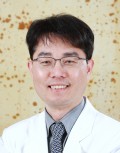
Professor Kim Sangheon Receives Commendation from President of Korea Institute of Drug Safety & Risk Management
Professor Kim Sangheon of the Department of Pulmonology Allergy at Hanyang University Hospital (President Kwon Sungjoon) (Secretary General of the Regional Pharmacovigilance Center) received a commendation from the President of the Korea Institute of Drug Safety Risk Management in the institute’s main conference room in Jongno-gu on December 18. Professor Kim Sangheon received the award in recognition of his great contribution to providing drug safety information by carrying out various education and publicity activities for medical staff and general consumers throughout 2014 to promote the safe use of drugs by the public and adverse drug reaction monitoring. Regarding the award, Professor Kim said, “I think our efforts to inform medical staff and general consumers about cases of drug side effects and how to report them through education and publicity whenever possible, for the safe use of drugs, have yielded good results.”
2014-12-26
-
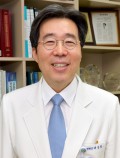
Professor Bae Sangcheol’s Team Identifies Genetic Variants Causing Lupus
Professor Bae Sangcheol’s team at Hanyang University Hospital for Rheumatic Diseases develops ‘lupus prediction model using HLA gene variants’ HLA gene variants identified through genetic epidemiological analysis of 5,850 people, published in Nature Communications Specific genetic variants that cause the onset of ‘systemic lupus erythematosus (hereinafter lupus)’ have been identified for the first time, and a ‘lupus prediction model’ applicable not only to Koreans but also to other ethnic groups has been developed, opening the way to predicting lupus more accurately. These results by Professor Bae Sangcheol’s team of the Department of Rheumatology at Hanyang University Hospital for Rheumatic Diseases were published on December 23 in the authoritative international journal ‘Nature Communications’ under the title ‘The HLA-DRβ1 amino-acid positions 11–13–26 explain the majority of SLE–MHC associations.’ Lupus is a rheumatic autoimmune disease caused by a combination of environmental factors and multiple genetic variants, and while HLA genes had been known to be associated with the onset of lupus, exactly which genetic variants have an effect had not been identified. To identify the causal genetic variants of lupus within the HLA genes, Professor Bae’s team precisely analyzed the HLA gene variants of 950 Korean lupus patients and 4,900 controls. The genetic variants used in the analysis included not only previously studied single nucleotide polymorphisms (SNPs) but also the genotypes and amino acid sequence variants of eight HLA genes (HLA-A, -B, -C, -DQA1, -DQB1, -DRB1, -DPA1, -DPB1). In particular, this study incorporated the ‘Korean HLA reference panel,’ recently published by Professor Bae’s team, which can accurately predict HLA genotypes and amino acid sequences, and used various statistical techniques. As a result, Professor Bae’s team revealed the new finding that amino acid variants at positions 11, 13 and 26 within the HLA-DRB1 gene are associated with the onset of lupus. The team additionally found that HLA-DRB1*15:01 and HLA-DRB1*03:01, previously known as important genetic variants in lupus onset, were simply derived from the three amino acid variants identified in this study. The team also demonstrated that the new ‘lupus prediction model’ developed using this amino acid combination is a highly reliable model applicable not only to Koreans but also to other Asians and white populations. In this regard, Professor Bae said, “HLA genes and the surrounding DNA bases are the most variable and structurally complex in the human genome, so it had not been easy to identify genetic variants associated with the onset of lupus, but with the identification of three amino acid variants that directly affect the function of HLA-DR, a broader understanding of the mechanism of lupus onset has become possible, and ultimately more accurate prediction of onset will become possible, making a great contribution to the development of predictive medicine for lupus.” This study was conducted with support from the Health and Medical Research and Development Program (Researcher-Driven Convergence-Based Research – Basic Technology for Clinical Application of Genomics) (End). [Reference 1] What is systemic lupus erythematosus? Systemic lupus erythematosus is one of the representative rheumatic diseases that occur mainly in women; although its exact cause is not well known, it is known to be an autoimmune disease that occurs when abnormalities develop in the immune system due to the combined action of genetic, environmental and hormonal factors. Although it is a similar autoimmune disease, whereas the main target of attack in rheumatoid arthritis is the joints, lupus can attack virtually any part of the body, so it presents far more diverse symptoms. It is one of the most difficult diseases to treat, often referred to as a disease with ‘a thousand faces.’ The name ‘lupus’ comes from the Latin word meaning ‘wolf,’ given because the skin turns red as if bitten by a wolf. [Reference 2] What is HLA? HLA (human leukocyte antigen, histocompatibility antigen) is a protein that binds to the initial epitope (epitope), one of the most important factors in the process from recognition of autoantigens to the production of autoantibodies in lupus, and plays a pivotal role in inducing immune responses against autoantigens. HLA proteins present on the surface of antigen-presenting cells interact with T cells to simultaneously induce innate and adaptive immune responses. Lupus is a chronic disease in which autoantibodies against autoantigens are produced, and the resulting autoantibody-antigen complexes accumulate in blood vessels and organs, causing various inflammatory responses throughout the body. The three newly discovered HLA-DRB1 amino acid positions make up the HLA-DR protein and, in particular, are located on the surface that binds directly to the epitope (epitope), showing that these amino acids interact directly in the immune response caused by autoantigens. [Figure 1]
2014-12-24
-
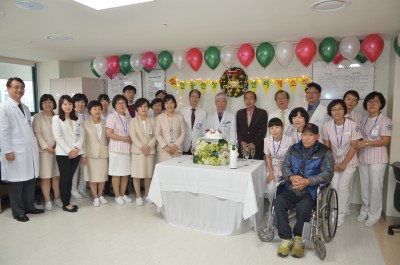
Artificial Kidney Center Holds Opening Ceremony after Remodeling
The Artificial Kidney Center of Hanyang University Hospital (President Kwon Sungjoon) recently completed remodeling to provide high-quality care to patients with chronic kidney disease and held an opening ceremony on December 23. The ceremony was attended by many people, including key officials such as Park Choongki, Executive Vice President for Medical Affairs and President of Hanyang University Medical Center, and Kwon Sungjoon, President of Hanyang University Hospital, as well as medical staff and patients with chronic kidney disease, and was a great success. Through this remodeling, the Artificial Kidney Center has installed a ‘Double RO’ water purification system that meets strict international standards to produce ultrapure water, which is the most important element in patient dialysis. This is a facility that most university hospitals in Korea and even most in Japan do not have. In addition, the center has set up isolation rooms for patients with weakened immune function and an education resource room for counseling and education on lifestyle, diet control and medication use for patients with chronic kidney disease, giving it a top-tier treatment system in Korea. At the event, President Kwon Sungjoon said, “Korea is one of the fastest-aging countries in the world, adult diseases such as diabetes and hypertension are increasing, and the number of patients with chronic kidney disease is rising accordingly,” adding, “At a time when more dialysis space and better facilities are needed due to the growing number of patients with chronic kidney disease, we have remodeled the Artificial Kidney Center so that we can provide patients with better, high-quality medical services.” Lee Changhwa, Director of the Artificial Kidney Center, said, “Purified water is most important for patients with chronic kidney disease, and through this remodeling we have installed water purification facilities that meet strict international standards,” adding, “With isolated spaces for patients with weakened immune function or infectious diseases and expanded space for peritoneal dialysis patients, we can firmly serve as guardians of the health of patients with chronic kidney disease.” Kim Samjoong (pseudonym, 63), who has been using the Artificial Kidney Center for 25 years, said, “I thank Hanyang University Hospital for providing clean, good facilities for the health of patients.”
2014-12-24
-

Rated Grade 1 in Colorectal, Lung and Breast Cancer Quality Assessments
Hanyang University Hospital (President Kwon Sungjoon) received Grade 1 in all of the ‘Colorectal Cancer, Lung Cancer and Breast Cancer Quality Assessments’ conducted by the Health Insurance Review and Assessment Service (hereinafter HIRA). In the colorectal cancer quality assessment, the hospital received Grade 1 for the third consecutive time with a total score of 98.42 points. In particular, it received a perfect score of 100 points in 17 of the 18 indicators in 4 areas. It also received Grade 1 in the lung cancer quality assessment with a near-perfect score, and in the breast cancer quality assessment it received Grade 1 for the second consecutive year following 2013, earning recognition for its excellence. Director Tae Kyung of the Cancer Center said, “These results were possible because the Cancer Center has been accumulating experience with good outcomes and provides chemotherapy with the latest facilities and equipment.” He added, “In addition, with 15 specialized care centers within the Cancer Center enabling organic multidisciplinary care for patient-tailored treatment, I think we were able to obtain Grade 1 in the colorectal, lung and breast cancer quality assessments.” In this connection, Hanyang University Hospital also received Grade 1 in gastric cancer, liver cancer, pancreatic cancer and hip replacement in the ‘2014 Volume Assessment’ recently announced by HIRA, earning recognition for providing high-quality medical services.
2014-12-23
-
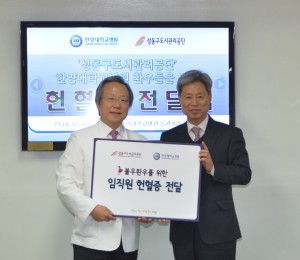
Holds Blood Donation Certificate Presentation Ceremony with Seongdong-gu Facilities Management Corporation
Hanyang University Hospital (President Kwon Sungjoon) held a ‘Blood Donation Certificate Presentation Ceremony’ with the Seongdong-gu Facilities Management Corporation for patients in need and Seongdong-gu residents in the 2nd Conference Room on the 8th floor of the East Building on December 17. The event was attended by key officials including Hanyang University Hospital President Kwon Sungjoon, Director of the Office of External Affairs of Hanyang University Medical Center Jun Jaebum, Chairman Kim Jongsoo of the Seongdong-gu Facilities Management Corporation and Sung Nakwon, Head of its 2nd Division. President Kwon Sungjoon said, “The voluntary blood donation by employees of the Seongdong-gu Facilities Management Corporation for a true culture of sharing and social contribution in our society is the beginning of a beautiful world where hearts are shared.” He added, “The blood donation certificates donated every year are being used meaningfully for patients in need and residents of Seongdong, and they will continue to be of great help to the many people seeking hope in life at Hanyang University Hospital.” Chairman Kim Jongsoo said, “I hope the small acts of sharing we practice will help patients who are suffering and struggling at Hanyang University Hospital.” He added, “If the Seongdong-gu Facilities Management Corporation and Hanyang University Hospital continue to work together, it will greatly help improve the health and quality of life of Seongdong-gu residents.” The Seongdong-gu Facilities Management Corporation manages and operates district facilities such as public buildings and facilities, parking services, a cultural center, libraries and sports centers for the welfare and happy lives of Seongdong-gu residents, and has donated blood donation certificates every year since 2009.
2014-12-18
-
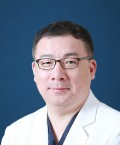
Professor Lee Hanglak of Gastroenterology Wins Excellent Presentation Award at Korean Society of Gastrointestinal Endoscopy
Professor Lee Hanglak of the Department of Gastroenterology at Hanyang University Hospital won the Excellent Presentation Award at the ‘64th Autumn Scientific Meeting of the Korean Society of Gastrointestinal Endoscopy’ held at the International Convention Center Jeju on November 29. The title of the paper was ‘Efficacy of the OTSC system for treatment of GI fistula, perforation and anastomotic leakage,’ and it was highly praised for being the first successful performance of the OTSC procedure in Korea. Professor Lee Hanglak graduated from Hanyang University College of Medicine, received his master’s and doctoral degrees from the same graduate school, and trained at Kyushu University in Japan. He is actively serving as academic secretary of the Korean Society of Gastrointestinal Endoscopy, a computer information committee member of the Korean College of Helicobacter and Upper Gastrointestinal Research, an academic committee member of the Korean Society of Neurogastroenterology and Motility, and a full member of the Korean Association of Internal Medicine, the Korean Society of Neurogastroenterology and Motility, the Korean Association for the Study of Intestinal Diseases and the Korean Society of Gastroenterology.
2014-12-16
-
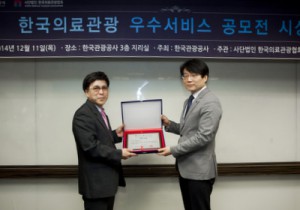
Wins ‘Grand Prize in Health Screening Category’ at Korea Medical Tourism Contest
Hanyang University Hospital (President Kwon Sungjoon) won the grand prize in the health screening category at the ‘Korea Medical Tourism Excellent Service Contest’ held by the Korea Tourism Organization on December 11. The contest covered medical institutions and patient attraction agencies registered with the Korea Health Industry Development Institute, divided into categories such as severe illness, mild illness, beauty, wellness, health screening and traditional Korean medicine, and evaluated the excellence, expertise, consumer protection and safety of medical tourism services as well as patient attraction performance. Hanyang University Hospital won the award in recognition of providing specialized health screening services for foreigners and differentiated, excellent medical tourism services at its International Hospital and contributing to the revitalization of Korean medical tourism. Ko Yong, President of Hanyang University International Hospital, said, “Hanyang University Hospital has been proven to be an outstanding medical institution in many respects, including the excellence of its medical tourism services, the expertise of its medical services, and consumer protection and safety.”
2014-12-16
-
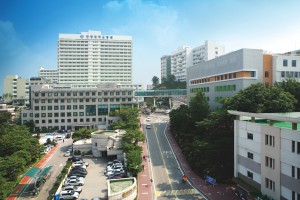
Rated Grade 1 in Breast Cancer Quality Assessment
Hanyang University Medical Center (President Park Choongki) received Grade 1 in the breast cancer quality assessment announced by the Health Insurance Review and Assessment Service (hereinafter HIRA) on the 9th. For this assessment, HIRA evaluated 285 medical institutions nationwide that performed breast cancer surgery on women aged 18 or older, based on 17 indicators including diagnostic evaluation, surgery and adjuvant therapy, and released the results classified into Grades 1 to 5. As a result, Hanyang University Hospital and Hanyang University Guri Hospital were rated Grade 1, and Hanyang University Hospital in particular received the top Grade 1 in the 2014 assessment following Grade 1 in the first breast cancer quality assessment announced in 2013, once again earning recognition for its excellence. Tae Kyung, Director of the Cancer Center at Hanyang University Hospital, said, “Hanyang University Hospital maintains a high level of medical care in breast cancer treatment, surgery and prognosis management, and was recognized for excellence in HIRA’s assessment items as well, receiving Grade 1 for two consecutive years.” He added, “These results came about because not only the medical staff but all faculty and staff were able to provide high-quality medical services, and we will continue to do our best for our customers.”
2014-12-15
-
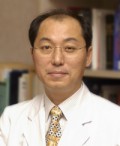
Professor Kim Youngsoo of Neurosurgery Receives Presidential Citation at 9th Korea Robot Awards and Robot People’s Night
Professor Kim Youngsoo of the Department of Neurosurgery at Hanyang University Hospital had the honor of receiving the Presidential Award at the ‘9th Korea Robot Awards and Robot People’s Night’ hosted by the Ministry of Trade, Industry and Energy on the 3rd to enhance the competitiveness of the domestic robot industry. Professor Kim, an authority on brain tumors, Parkinson’s disease and radiosurgery, was highly praised for his outstanding domestic and international academic research achievements in the field of medical robots and his contribution to RD development in the field. Regarding the award, Professor Kim said, “The robot industry is an important future industry for Korea and also a cradle of creative convergence technology.” He added, “I will continue to work for the development of the robot industry and medical robots and the training of specialized personnel.” The ‘Korea Robot Awards and Robot People’s Night’ is an annual event hosted by the Ministry of Trade, Industry and Energy and jointly organized by The Financial News and the Korea Association of Robot Industry to enhance the competitiveness of the domestic robot industry by promoting robot technology development and commercialization. Professor Kim Youngsoo graduated from Yonsei University College of Medicine and received his master’s and doctoral degrees from the same graduate school. He is currently active as Director of the Hanyang University Institute of Creative Surgical Technology, President of the Asian Society for Computer Aided Surgery, former Chairman of the Korean Society of Medical Robotics, and a full member of the Korean Neurosurgical Society and the World Federation of Neurosurgical Societies.
2014-12-15